

Experienced and dedicated representation for truck accident victims in Altamonte Springs.
If you’ve been seriously hurt in a truck crash in Altamonte Springs, the road to recovery looks different from what it does after a typical car accident. Federal regulations, multiple potentially liable parties, and evidence that disappears on the carrier’s schedule mean the decisions made in the first days after a crash often determine what an injured person can recover and from whom.
At Presser Law, P.A., our Altamonte Springs, FL truck accident lawyer has handled commercial vehicle injury claims across Central Florida since 2007 and approaches every case with the urgency those early decisions demand. Reach out today to schedule a confidential case evaluation.
Truck Accident Lawyer Altamonte Springs, FL
The Federal Motor Carrier Safety Administration sets binding standards for driver hours, equipment maintenance, cargo securement, and driver qualification that simply don’t apply to ordinary motor vehicle cases. When a carrier violates those standards, the breach becomes the foundation of the claim.
The problem is that the records supporting it disappear on a timeline controlled by the carrier, not one that favors the injured party. How many hours the driver had been on the road. Whether the brakes had been flagged in a prior inspection. What the GPS data shows about the truck’s speed and route in the moments leading up to the crash. That information has an expiration date, and most injured people don’t find out it existed until after it’s already gone.
Types of Truck Accident Cases We Handle in Altamonte Springs
The circumstances of a truck accident determine the evidence that matters and the defendants worth pursuing. What the rig was carrying, how it failed, who loaded it, what the driver’s logs show, all of it shapes the case. Below are the matters our firm handles for clients across Seminole County and Central Florida.
- Tractor-trailer crashes. When an eighty-thousand-pound rig hits a passenger vehicle, the damage is severe, and the liability picture is rarely simple. These crashes frequently produce traumatic brain injuries and spinal trauma that carry long-term consequences requiring detailed medical records that accurately reflect the full scope of what the crash actually cost the victim.
- Driver fatigue. Federal law limits how many consecutive hours a commercial driver can spend behind the wheel before taking a mandatory rest period. When electronic log data and dispatch records show a driver pushed past those limits, that evidence can reshape the entire case in the plaintiff’s favor.
- Cargo-related accidents. A shifting load isn’t only a driver problem. When freight is improperly secured or unevenly distributed, the company responsible for loading the truck can be just as liable as the driver who was behind the wheel.
- Delivery vehicle accidents. Platform delivery companies have saturated Seminole County, and the contractor relationships they rely on create layered coverage disputes that aren’t always straightforward. Drivers injured on the job may also have a separate personal injury claim against the at-fault party on top of any workers’ compensation benefits they’re entitled to receive.
- Jackknife and rollover accidents. Speed, brake failure, and load imbalance push rigs across multiple lanes without warning. Motorcycle riders and passenger vehicles caught in those situations face catastrophic outcomes, and every involved vehicle may be part of the liability picture.
- Underride and override collisions. A passenger car that slides beneath a trailer can lose its entire roof structure, often with devastating consequences for the occupants. When underride guards are defective or missing entirely, the trailer manufacturer may share liability alongside the driver.
- DUI commercial driver cases. Commercial drivers hold a CDL, a specialized license that comes with a stricter blood-alcohol limit than a standard driver’s license. When one of those drivers gets behind the wheel impaired, the case often supports punitive damages well beyond standard compensatory recovery.
- Fatal truck crashes. When a crash takes a life, Florida law allows the victim’s family to pursue a wrongful death claim against every party responsible. The window to secure those records is narrow, and every day without a preservation demand in place is a day that works in the carrier’s favor.
Why Choose Presser Law, P.A. for Truck Accident Representation in Altamonte Springs, FL?
Built for What the Defense Expects
Carrier defense is not reactive. It is institutional, prepared, and built to outlast plaintiffs who don’t have someone equally prepared on their side. They know the federal regulatory framework, keep investigators on retainer, and build their strategy around the assumption that most plaintiffs won’t push through trial. Justin Presser built Presser Law, P.A. to meet that directly. Before opening the firm in 2018, he spent more than a decade handling catastrophic injury claims throughout Central Florida. His law degree came from FAMU College of Law, and his undergraduate degree from Florida State University. Florida Super Lawyers has recognized him for ten consecutive years. He holds Eagle-level standing in the Florida Justice Association and stays active in the Central Florida Trial Lawyers Association and the Seminole County Inns of Court.
Contingency Fees, No Exceptions
The firm’s record in commercial vehicle and serious injury matters includes millions of dollars recovered for Central Florida clients, though no prior result guarantees what the next case will produce. Every case is taken on contingency. There are no upfront costs, and no fee is collected unless the case results in a recovery. Bilingual English and Spanish support is available from intake through resolution. On Avvo, Justin is rated 10.0 Superb. For any personal injury client in Altamonte Springs, FL, the first consultation is free, private, and carries no commitment.
Understanding Truck Accident Cases
Damages, Liability, and Compensation for Truck Accident Cases
Florida law allows injured plaintiffs in commercial vehicle cases to pursue every dollar the crash actually cost them.
Economic damages are the verifiable financial losses tied directly to the crash. That includes current and future medical expenses, income lost while unable to work, any permanent reduction in earning capacity, and the out-of-pocket costs that continue long after the initial treatment ends. In serious injury cases, these numbers can be substantial. It is precisely why carriers challenge every line item as aggressively as they do.
Non-economic damages cover what receipts cannot quantify. Physical pain, emotional distress, permanent disability, disfigurement, and the loss of enjoyment of life are all recoverable under Florida law. A surviving spouse may also bring a claim for loss of consortium.
Punitive damages apply when the carrier’s conduct crossed from negligence into recklessness or intentional disregard. Dispatching a driver the company knew was over-hours or chemically impaired can generate exposure well beyond the standard compensatory recovery. And liability in these cases rarely stops with the driver. Carriers, brokers, shippers, maintenance contractors, and component manufacturers each carry potential direct exposure depending on what caused the crash. Florida’s modified comparative negligence rule bars any plaintiff found more than fifty percent at fault from recovering anything at all.
Important Aspects in Your Truck Accident Case
Federal retention rules give carriers narrow windows for holding records, and those deadlines run from the date of the crash, not from when an injured person decides to take legal action.
Taking the rights steps from the beginning can help your case:
- Sending written preservation demands to the carrier, broker, and any involved shipper before records cycle out
- Declining any recorded statement or informal interview with the carrier’s adjuster until you have representation
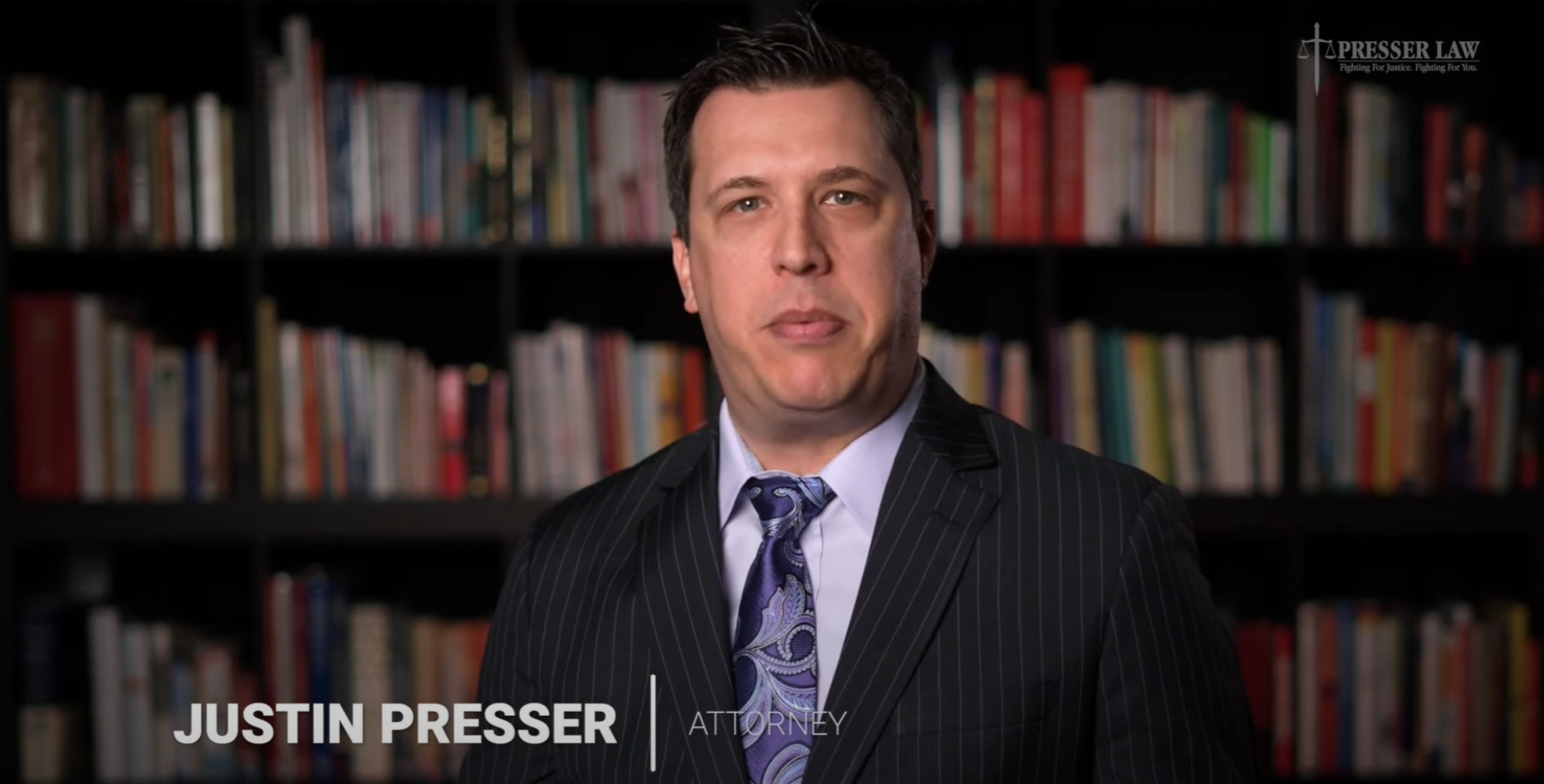
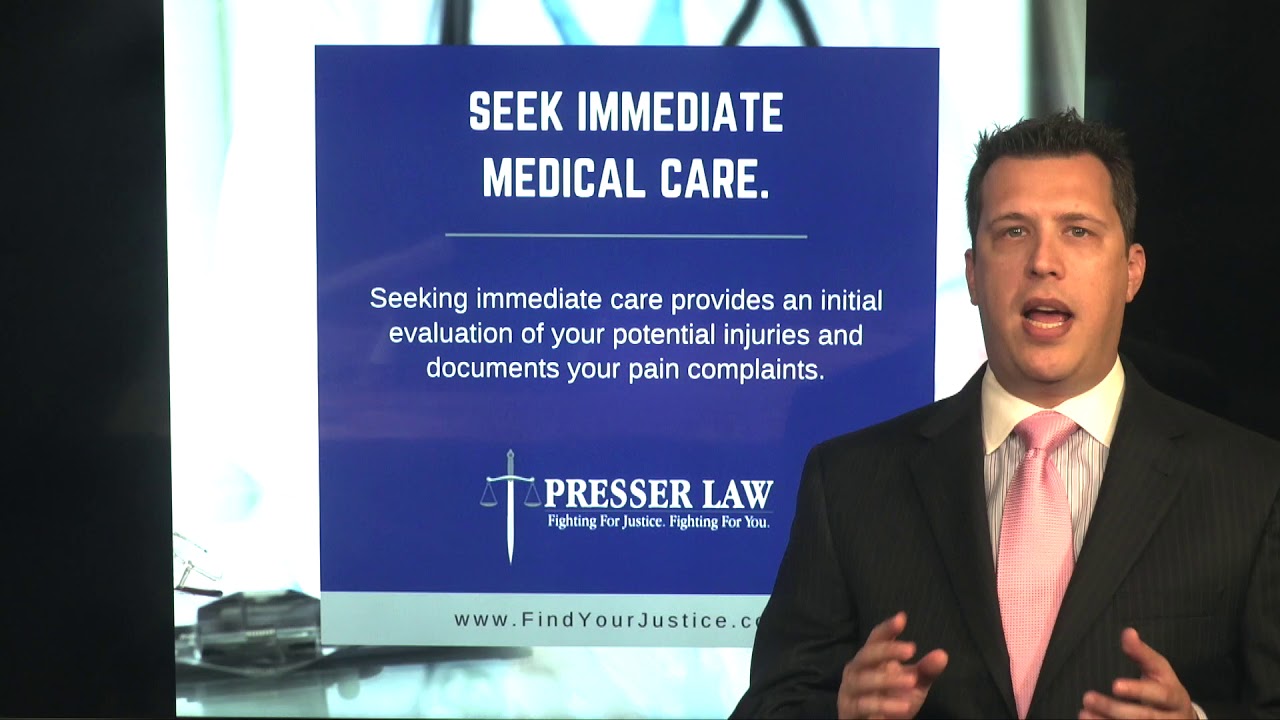
- Getting evaluated by a physician within days of the crash and following through on any imaging your doctor recommends
- Collecting the crash report, the responding officer’s contact information, and any available dashcam or surveillance footage from nearby vehicles or businesses
Truck Accident Case Timeline
Commercial vehicle cases with serious injuries typically take twelve to twenty-four months from first contact to resolution. Cases with disputed liability, catastrophic injury, or federal records requiring a formal subpoena can run longer.
The typical progression includes:
- Scene investigation and evidence preservation in the days immediately following the crash
- Medical treatment continuing until a physician declares maximum medical improvement
- Demand package submitted to the carrier’s insurer with complete medical and damages documentation
- Lawsuit filed in state court if the carrier’s position doesn’t reflect the value of the claim
- Discovery, depositions of the driver, dispatcher, and carrier representatives, and court-ordered mediation
- Resolution by settlement or jury verdict, depending on where negotiations land once the full picture of liability and damages is on the table.
What to Bring to Your Truck Accident Consultation
Don’t wait until everything is organized. Whatever exists at the time of the first meeting is enough to get started, and our firm pursues what is missing through the formal request process once the full picture of what the claim needs becomes clear.
- The crash report and the responding officer’s contact information
- Photos or video from the scene or either vehicle involved
- Medical records and bills received to date
- Pay stubs or tax returns showing pre-crash income
- Any written or recorded communications from the trucking company, its claims department, or its legal representatives
Plan on spending about an hour on the first conversation. The goal is to leave with a complete picture of what the claim is worth, what stands between you and that recovery, and what comes next if you decide to move forward.
Florida Legal Resources for Truck Accident Claims
Florida law sets specific rules for filing, evaluating, and resolving commercial vehicle injury claims. The resources below are a starting point for understanding those rules before speaking with an attorney, though none of them replace advice based on the specific facts of your crash.
- Florida’s filing deadline for negligence-based injury claims can be reviewed at Florida Statutes § 95.11
- Florida’s modified comparative negligence rule is codified at Florida Statutes § 768.81
- Wrongful death damages for fatal truck accidents are governed by Florida Statutes § 768.21
- Federal Hours-of-Service regulations are maintained at FMCSA Hours-of-Service
- Consumer-facing civil procedure resources are available at the Florida Bar pamphlets
Reach Out to Presser Law, P.A. to Schedule a Consultation
Commercial truck cases move fast because the defense moves fast. Contact us to schedule a free, private consultation with our Altamonte Springs truck accident attorneys. Every case is handled on contingency, with no upfront costs and no fee unless we recover. We respond promptly and take every commercial vehicle claim seriously from the first call.

![[SIMPLE AND EASY] Reason Why You Need to Document the Injury Scene | Personal Injury Attorney](https://www.findyourjustice.com/wp-content/uploads/2025/10/SIMPLE-AND-EASY-Reason-Why-You-Need-to-Document-the-Injury-Scene-Personal-Injury-Attorney.jpg)