
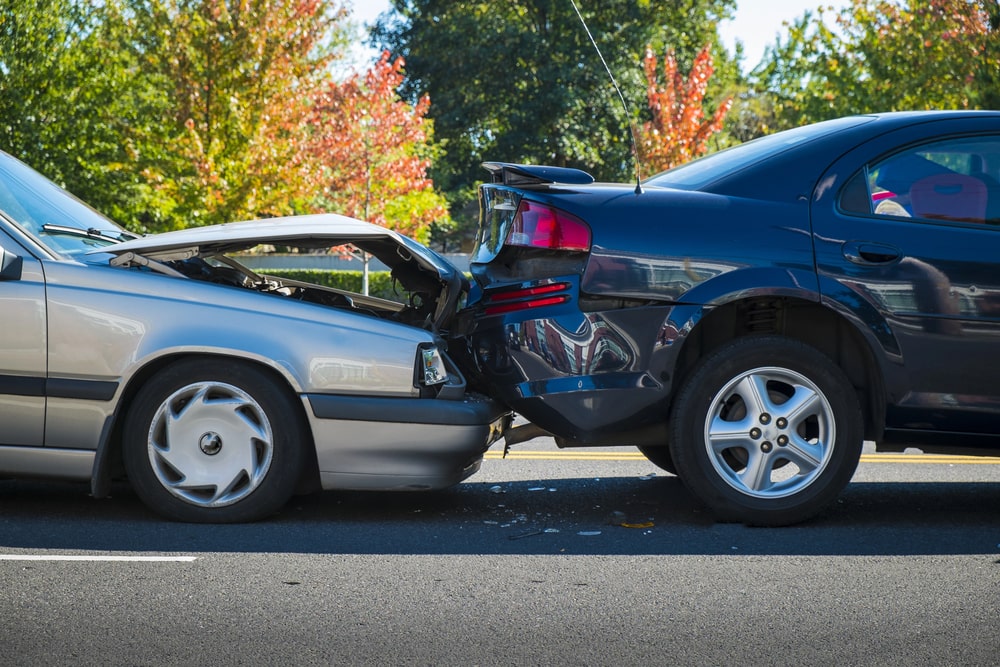
Getting into a car accident is stressful enough without dealing with what comes next. You find out your vehicle is totaled, and then the insurance company sends over a settlement offer that makes you do a double-take. The number seems way too low. You know your car was worth more than that, but proving it means understanding how Florida’s total loss claims actually work.
What “Totaled” Is Defined As
A vehicle gets declared totaled when the cost to repair it exceeds a certain percentage of its actual cash value (ACV). In Florida, this threshold changes depending on which insurance company you’re dealing with. Most fall somewhere between 70% and 80%. If fixing your car would cost more than that percentage of what it’s worth, the insurer declares it a total loss and cuts you a check instead. But here’s what trips people up. The insurance company isn’t offering you what you paid for the car. They’re also not offering what you still owe on your loan. They’re offering the ACV, which is supposed to represent the fair market value of your vehicle right before the accident happened. This is where most disputes start.
How Insurance Companies Calculate Actual Cash Value
Insurers use different methods to figure out what your car was worth, and these methods don’t always work in your favor. Most companies now rely on computer software that pulls comparable vehicle sales data from your area. They’ll look at similar makes, models, years, mileage, and overall condition to establish what they consider a fair baseline. The problem? These automated systems miss things. Important things.
Your car might’ve had brand new tires. Maybe you just replaced the transmission last year. Perhaps you added custom features that genuinely increased the vehicle’s value. A Sanford car accident lawyer can challenge valuations that ignore these details and push for a more accurate assessment. Insurance adjusters also love to deduct for pre-existing damage. That small dent from two years ago? The minor scratch you barely noticed? Suddenly these become justification to slash hundreds or even thousands off your settlement.
Common Valuation Mistakes That Cost You Money
Insurance companies make errors. Sometimes they’re honest mistakes. Sometimes they’re not so honest. Either way, you need to watch for these red flags:
- Using comparable vehicles from areas where market values run lower
- Failing to account for recent maintenance, repairs, or upgrades you’ve made
- Overestimating the severity or cost impact of pre-accident damage
- Ignoring regional market differences that genuinely affect what cars sell for
- Relying on outdated valuation data instead of current market conditions
You don’t have to accept their first offer. Florida law gives you the right to dispute their valuation, and you can absolutely provide your own evidence of what your vehicle was actually worth.
What You Can Do To Prove Higher Value
Start gathering documentation right away. Maintenance records matter. Recent repair receipts matter. Photos of your vehicle before the accident really matter. All of this supports your case that the car was worth more than what they’re claiming. Online valuation tools like Kelley Blue Book or NADA Guides can give you baseline estimates. They’re helpful starting points, but insurance companies don’t treat them as definitive proof.
Want something that carries real weight? Get your own appraisal from a licensed professional. An independent assessment from someone who actually knows how to evaluate vehicles properly can shift negotiations in your direction. You can also dig into recent sales of comparable vehicles in your area by checking dealer listings and private sale websites. Presser Law, P.A. knows that fighting with insurance companies over valuations eats up time you probably don’t have. Having legal representation means someone’s in your corner advocating for the full value you actually deserve, not just what’s convenient for the insurer to pay.
The Loan Payoff Gap Nobody Warns You About
This part catches a lot of people completely off guard. If you still owe money on your car, the insurance settlement doesn’t come to you first. It goes straight to your lender. When the ACV comes in lower than what you owe on the loan, you’re stuck paying the difference out of your own pocket. People call this being “upside down” on your loan, and it’s as frustrating as it sounds. Gap insurance exists specifically to cover this difference. But many drivers don’t carry it. Without gap coverage, you could walk away from a total loss still owing thousands on a car you can’t even drive anymore.
Don’t Leave Money On The Table
Insurance companies operate on a simple assumption. They’re betting you don’t know the full value of your totaled vehicle. They present their initial offer like it’s the final word, hoping you’ll just accept it and move on. Most people do. Working with a Sanford car accident lawyer changes that dynamic entirely. You’ll have someone who actually knows how to challenge lowball valuations and negotiate for what your vehicle was genuinely worth. Your financial recovery shouldn’t be about accepting whatever’s quickest. It should be about getting what’s fair.


![[SIMPLE AND EASY] Reason Why You Need to Document the Injury Scene | Personal Injury Attorney](https://www.findyourjustice.com/wp-content/uploads/2025/10/SIMPLE-AND-EASY-Reason-Why-You-Need-to-Document-the-Injury-Scene-Personal-Injury-Attorney.jpg)