



You scribbled your signature on a waiver before rock climbing at an indoor gym. Maybe it was an ATV trail ride or a fitness boot camp. Then you got hurt, and now you’re staring at medical bills, wondering if that piece of paper you barely glanced at means you’re stuck with all of it. It doesn’t necessarily. Liability waivers are usually enforceable in Florida, but they’re not the legal force fields businesses want you to think they are. Courts actually look at these agreements pretty carefully. There are several situations where they can be invalidated entirely, and understanding those exceptions might be the difference between recovering compensation and paying for someone else’s negligence out of your own pocket.
What Makes A Waiver Valid Under Florida Law
Florida courts will recognize liability waivers as binding contracts, but only when they meet specific requirements. The language has to be unambiguous. You need to understand what rights you’re giving up. Vague wording or fine print buried in a six-page registration form often won’t survive scrutiny in court. Here’s what matters most. The agreement also needs to cover the specific type of negligence that actually caused your injury. A waiver addressing “ordinary negligence” doesn’t shield a business from gross negligence, recklessness, or intentional harm. That’s a big distinction.
When Waivers Don’t Protect Businesses
Several situations can completely void a liability waiver, even with your signature on it:
- Gross negligence or reckless conduct: When the business showed extreme carelessness or outright disregard for your safety, the waiver probably won’t protect them.
- Intentional misconduct: Waivers can’t excuse someone from deliberately hurting you.
- Violations of public policy: Florida won’t enforce waivers that contradict established safety standards or regulations.
- Defective equipment or premises: Dangerous conditions the business knew about but didn’t fix? The waiver may be unenforceable.
- Minors: Parents generally can’t sign away their child’s right to sue.
Picture this scenario. You’re injured at a trampoline park because staff removed safety netting to speed up operations, even though the manufacturer specifically warned against it. That’s not ordinary negligence anymore. A Lake Mary personal injury lawyer would argue the waiver doesn’t apply to that level of recklessness.
Gross Negligence Vs. Ordinary Negligence
This distinction often determines whether your case goes anywhere. Ordinary negligence is standard carelessness. Forgetting to mop up a small spill, for example. Gross negligence represents something much worse. We’re talking about knowingly using broken equipment. Ignoring multiple safety complaints from customers. Failing to provide any supervision during inherently dangerous activities. When a business’s conduct crosses that line, courts become far more willing to set aside liability waivers and let injured people seek compensation.
The Fine Print Doesn’t Always Win
Just because a waiver exists doesn’t automatically make it enforceable. Florida courts examine the specific language and the circumstances around your signature. If the waiver was presented confusingly, you weren’t given time to actually read it, or it wasn’t written clearly, you might still have a valid claim. Businesses sometimes bury waiver language in registration forms. They hand you a clipboard at check-in with three seconds to sign before your reservation starts. These tactics can backfire when the case reaches court.
What About Equipment Malfunctions
Waivers typically address participant behavior and the ordinary risks that come with an activity. They’re not meant to excuse defective equipment, poor maintenance, or unsafe facilities. A zip line cable snapped because the company skipped required inspections? That waiver you signed probably doesn’t shield them from liability. The same principle applies to rental equipment. When a business rents you gear that’s broken or completely inappropriate for the activity, and you get hurt because of it, the waiver likely doesn’t cover that scenario.
Your Rights After Signing A Waiver
Don’t assume a signed waiver automatically kills your claim. Too many injured people walk away from legitimate cases because they think that the signature ended their rights. The reality’s more complicated than that. Presser Law, P.A. has handled plenty of cases where waivers were successfully challenged. Each situation requires careful analysis of the specific language, what actually happened when you got hurt, and how the defendant behaved.
Taking Action
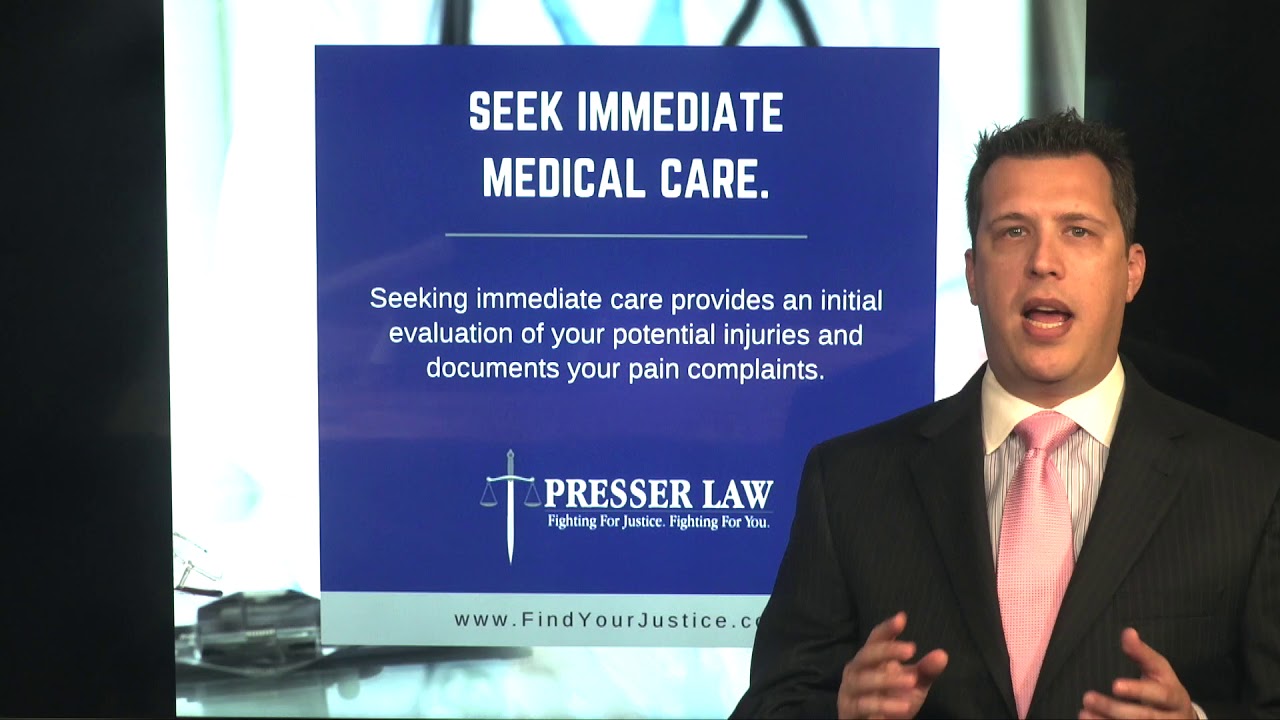
You’ve been injured despite signing a waiver. What now? Start by documenting everything you can remember about the incident and the waiver itself. Take photos of the scene if you can. Get contact information from anyone who saw what happened. Seek medical attention right away, even if your injuries seem minor at first. Delayed symptoms are common with many injuries.
Then talk to a Lake Mary personal injury lawyer who can review your case and figure out whether the waiver’s actually enforceable. Time limits apply to personal injury claims in Florida, so don’t wait too long to explore your options. Contact us today.

![[SIMPLE AND EASY] Reason Why You Need to Document the Injury Scene | Personal Injury Attorney](https://www.findyourjustice.com/wp-content/uploads/2025/10/SIMPLE-AND-EASY-Reason-Why-You-Need-to-Document-the-Injury-Scene-Personal-Injury-Attorney.jpg)