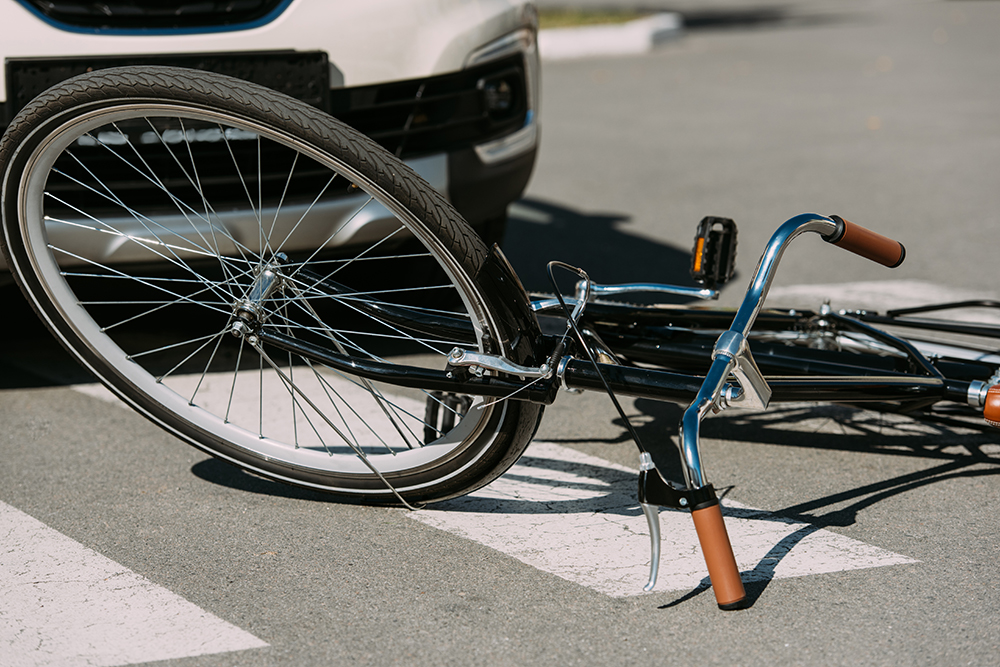
A morning crash on State Road 436 shut down one of the busiest corridors in Altamonte Springs and sent a pedestrian to the hospital. Crashes on this stretch of road are unfortunately common, and each one leaves someone dealing with injuries, bills, and questions about what comes next.
The Crash on State Road 436
On a Friday morning in late April, officers responded to a crash involving a pedestrian at Westmonte Drive and State Road 436, near the Chick-fil-A west of Interstate 4. The pedestrian was transported to the hospital, and eastbound State Road 436 from Westmonte Drive was closed for a time before reopening.
First responders arrived around 6:00 a.m., and the eastbound lanes remained blocked for several hours while investigators worked, with drivers detoured onto Wymore Road and Douglas Avenue. Details on the extent of the victim’s injuries were not released, according to reporting from ClickOrlando.
SR 436 carries heavy traffic through Altamonte Springs at nearly every hour. Six lanes, dense retail driveways, and steady pedestrian activity make it one of the more dangerous roads in Seminole County. Early morning crashes add another factor, since visibility is limited before sunrise.
Who Pays When a Car Strikes a Pedestrian
A pedestrian hit by a vehicle faces some of the most serious injuries we see. There is no metal frame, no airbag, and no seatbelt absorbing the impact. Head trauma, fractures, and internal injuries are common even at moderate speeds.
Fault determines who pays. When a driver fails to yield, drives distracted, or speeds through a corridor like SR 436, that driver’s insurance is responsible for the harm. Florida’s comparative fault system can complicate things, though. Insurers frequently argue the pedestrian crossed outside a crosswalk or stepped into traffic, and any percentage of fault assigned to the victim reduces the recovery by that share.
That is why the investigation matters. Useful evidence in these cases includes the following.
- The police crash report and any citations issued.
- Surveillance video from nearby businesses along the corridor.
- Statements from witnesses who saw the moments before impact.
- The driver’s phone records when distraction is suspected.
- Medical records tying each injury directly to the crash.
Much of this evidence disappears quickly. Business cameras often overwrite footage within days, and witness memories fade. Moving early preserves the proof a claim will eventually depend on.
An Altamonte Springs, FL car accident lawyer victims rely on can secure that evidence, deal with the insurance adjusters, and document the full extent of the losses, from hospital bills to missed work and lasting pain.
What Injured Victims Should Keep in Mind
Florida generally allows two years to file a negligence lawsuit after a crash. That sounds like plenty of time. It isn’t. Treatment has to stabilize before a claim can be valued, negotiations take months, and building the evidence file takes longer than most people expect.
There’s also the matter of the first settlement offer. Insurers tend to make early offers before the full scope of an injury is known, and accepting one closes the claim for good. A car accident attorney in Altamonte Springs can evaluate whether an offer actually reflects the harm or simply reflects the insurer’s interest in closing the file cheaply.
If you were injured in this crash or in another collision on SR 436 or elsewhere in Seminole County, Presser Law, P.A. can review what happened and explain your options. Contact our office when you’re ready to discuss your claim.
![[SIMPLE AND EASY] Reason Why You Need to Document the Injury Scene | Personal Injury Attorney](https://www.findyourjustice.com/wp-content/uploads/2025/10/SIMPLE-AND-EASY-Reason-Why-You-Need-to-Document-the-Injury-Scene-Personal-Injury-Attorney.jpg)