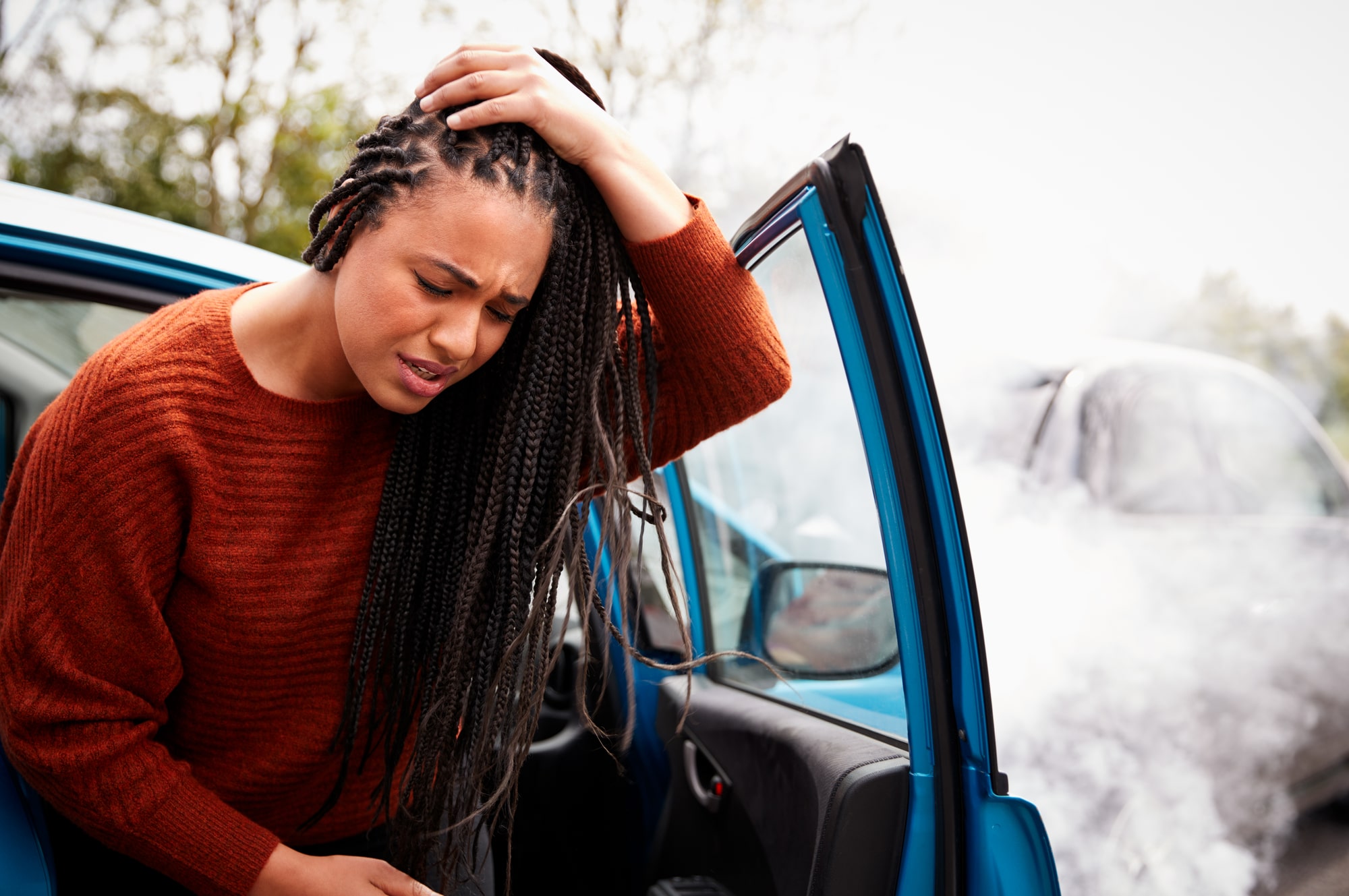
You let a friend borrow your car to run errands. An hour later, you get the call. There’s been an accident. Your friend is okay, but your vehicle is damaged, and the other driver is injured. Now you’re wondering if you can be held liable when you weren’t even behind the wheel. The answer in Florida is yes, you can be held responsible. Here’s how it works and what you need to know.
Florida’s Dangerous Instrumentality Doctrine
Florida law treats vehicles as dangerous instruments. Under this doctrine, vehicle owners can be held responsible for accidents caused by anyone driving their car with permission. It doesn’t matter if you were at home, at work, or out of state when the crash happened. This isn’t universal across all states, but Florida takes vehicle owner responsibility seriously. The person who caused the accident bears primary liability, but as the owner, you’re not off the hook.
What Permissive Use Actually Means
Permissive use is exactly what it sounds like. You gave someone explicit or implied permission to drive your vehicle. This includes:
- Lending your car to a friend or family member
- Allowing a household member to use your vehicle regularly
- Giving someone your keys for a specific errand
- Letting a coworker drive your car during a shared work trip
If someone takes your car without permission, that’s different. Theft or unauthorized use changes the legal landscape entirely. You’d need to prove you didn’t consent to that person driving.
When You Might Face Greater Liability
Sometimes owners face additional exposure beyond standard permissive use. Negligent entrustment occurs when you let someone drive your car knowing they’re a risk. This includes lending your vehicle to someone who:
- Has a suspended or revoked license
- Is visibly intoxicated or impaired
- Has a history of reckless driving, you’re aware of
- Is clearly inexperienced or incapable of safely operating a vehicle
Negligent entrustment claims can increase your liability significantly. The injured party might argue you should’ve known better than to hand over your keys. To protect yourself from these greater liability concerns, consider speaking to a Sanford car accident lawyer.
How Insurance Typically Handles These Situations
Your auto insurance generally follows your car, not the driver. If someone has permission to drive and causes an accident, your policy will likely be the primary coverage. The driver’s insurance might provide secondary coverage if damages exceed your policy limits. This is why your insurance rates can increase after an accident, even when you weren’t driving. Your vehicle was involved, and your insurance paid out. From the insurer’s perspective, you created the risk by allowing someone else to drive.
The Other Driver’s Injury Claims Against You
Injured parties can pursue compensation from both the driver and the vehicle owner. A Sanford car accident lawyer representing the injured person will typically name both parties in any claim or lawsuit. Your exposure as the owner often depends on your insurance policy limits. If the damages exceed what the driver’s policy covers, injured parties may look to your coverage. In severe cases where injuries are catastrophic, claimants might pursue your personal assets beyond insurance.
Protecting Yourself As A Vehicle Owner
Being selective about who drives your car is your best protection. Before handing over your keys, consider the person’s driving record, experience, and current state. A few seconds of consideration can prevent years of legal and financial consequences. You should also maintain adequate insurance coverage. Florida’s minimum requirements are often insufficient for serious accidents. Higher liability limits provide better protection for your assets.
What To Do After Someone Crashes Your Vehicle
If you learn that someone crashed your car, take these steps quickly. Contact your insurance company immediately, even if you weren’t involved. Get the accident report and document everything about who had permission to drive and under what circumstances. Don’t admit fault or discuss details of the arrangement with anyone except your attorney and insurer. What seems like a friendly conversation with the other driver’s insurance company can hurt your case later.
Presser Law, P.A. understands how overwhelming these situations feel. Vehicle owners facing liability for accidents they didn’t cause need clear guidance on their rights and exposure. If you’re dealing with a claim after someone else crashed your vehicle, speaking with a legal counselor can help you understand your options. Legal representation ensures you’re not taken advantage of and that any settlement or judgment fairly reflects the actual circumstances of what happened.
![[SIMPLE AND EASY] Reason Why You Need to Document the Injury Scene | Personal Injury Attorney](https://www.findyourjustice.com/wp-content/uploads/2025/10/SIMPLE-AND-EASY-Reason-Why-You-Need-to-Document-the-Injury-Scene-Personal-Injury-Attorney.jpg)