Florida’s Accident Report Privilege
So you’ve been in an accident and the other driver told the officer they were at fault. Now all you have to do is use that statement at trial and your case is a slam dunk, right? Wrong!
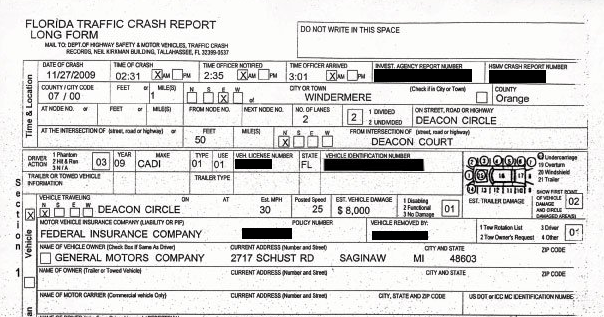
Florida’s Accident Report Privilege statute prevents any statements made by those required to interact with law enforcement after a crash from being used against them in a later civil or criminal trial. Persons covered are typically the driver and occupants of the vehicles involved in the crash. The privilege balances a person’s Fifth Amendment right against self-incrimination with an officer’s obligation to learn about how the crash occurred. This privilege also prevents officers from later testifying how the crash happened at trial if their knowledge comes solely from those required to speak with them.
Accident Report Privilege Limitations
If this privilege seems broad, it is intended to. However, it is only intended to cover statements by those required to interact with law enforcement. The privilege does not apply to witnesses or other persons who volunteer information to an investigating officer. It also may not extend to cover the results of blood alcohol, breath or urine tests.
This privilege only covers those statements made to law enforcement. If the at-fault driver tells you they are at fault, or you overhear them admitting fault to another witness or victim, the Accident Privilege may not apply.
Recent Developments
On April 5, 2019, Florida’s Second District Court of Appeal issued an opinion addressing Florida’s Accident Report Privilege.
In Anderson v. Mitchell, the driver of a vehicle which struck a pedestrian appealed an order requiring him to answer questions under oath about statements he made to law enforcement officers. The Second District held that the accident report privilege is not a “true privilege” but rather a rule of inadmissibility at trial. Since it is not a true privilege, statements made to officers may not be admissible at trial but are subject to normal discovery rules. This means that as long as the material is not otherwise privileged, it will be discoverable.
This opinion may have significant ramifications for injury victims and at-fault drivers alike. While parties may be unable to use these statements at trial, there are many opportunities prior to trial where they may be beneficial – such as a motion for summary judgment.
What Should You Do?
If you have been injured in a car accident or as a pedestrian, be aware that the statements made by the at-fault driver to the investigating officer may be privileged. This includes admissions of fault for causing the crash. If they are privileged, they cannot be used later in trial.
If there are eyewitnesses to the accident, obtain their name and contact information. Find out what they saw and whether they have spoken with the other driver. If so, find out what the other driver told them about the how the accident occurred.
Take photographs of the scene, including any skid marks or debris.
Take photographs of your visible injuries.
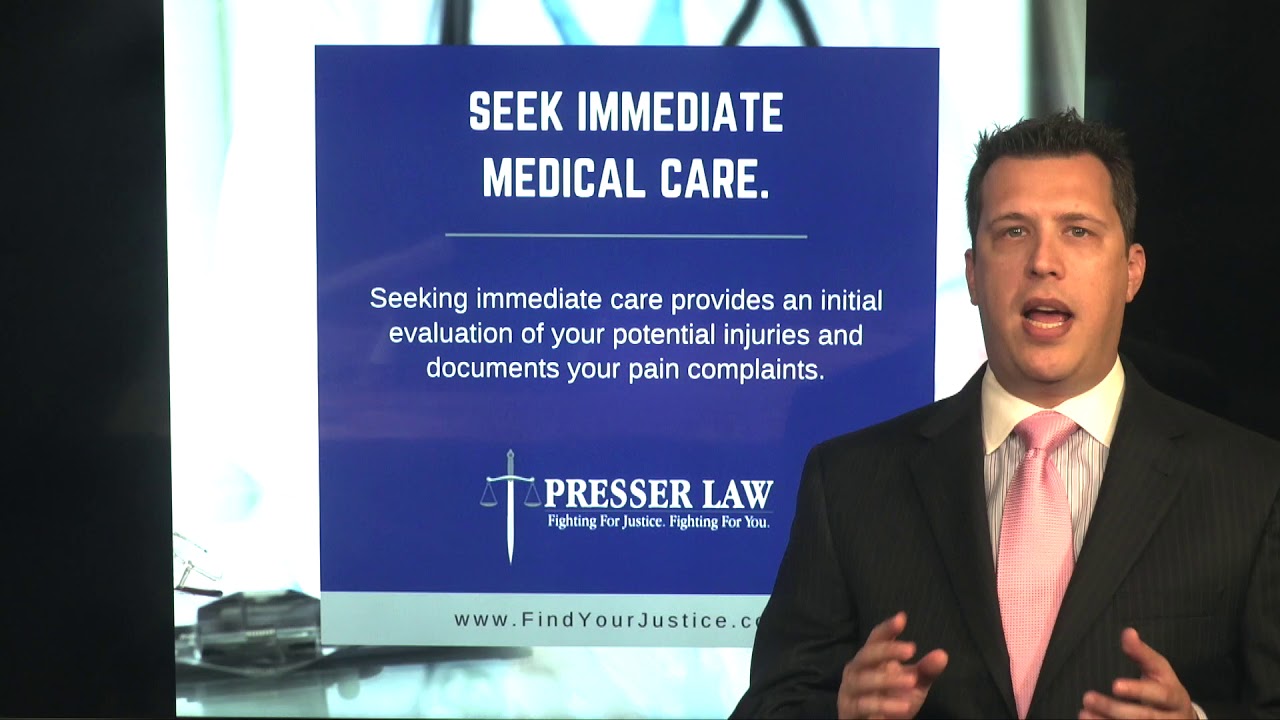
Read my blog which addresses what to do after a car accident and why documenting the scene is important.
Get Your Free Attorney Case Review Today!
If you have been injured in a car accident or as a pedestrian, call 407.216.2000 or click HERE for a free attorney case review. I have helped hundreds of accident injury victims find their justice and I would be honored to help you as well.

![[SIMPLE AND EASY] Reason Why You Need to Document the Injury Scene | Personal Injury Attorney](https://www.findyourjustice.com/wp-content/uploads/2025/10/SIMPLE-AND-EASY-Reason-Why-You-Need-to-Document-the-Injury-Scene-Personal-Injury-Attorney.jpg)