

Car accidents with dramatic outcomes are unfortunately quite common. Often those car accidents result in the death of either one of the drivers or a passenger. In those cases where the accident results in a fatality, statistics show there are three common factors most often involved. Below, our friends at The Layton Law Firm explain three common factors often associated with car accidents.
Distracted Driving
Since the advent of cell phones, most people are familiar with the concept of distracted driving. Distracted driving because of cell phone use has even led some states to go so far as to outlaw the use of hand held cell phones while driving. It’s important to remember that distracted driving goes beyond using a cell phone, and can include distractions related to anything which takes the attention of the driver away from the road. Because driving while distracted by definition reduces the driver’s ability to assess what is happening on the road in front of them, the injuries resulting from distracted driving accidents are often quite extreme.
Real Life Example: A firm represented an injured party who was the victim of a distracted driver. When the distracted driver admitted at deposition that he was looking at his phone when the accident happened, the offer from the distracted driver’s insurance company doubled and helped us to settle the case.
Impaired Driving
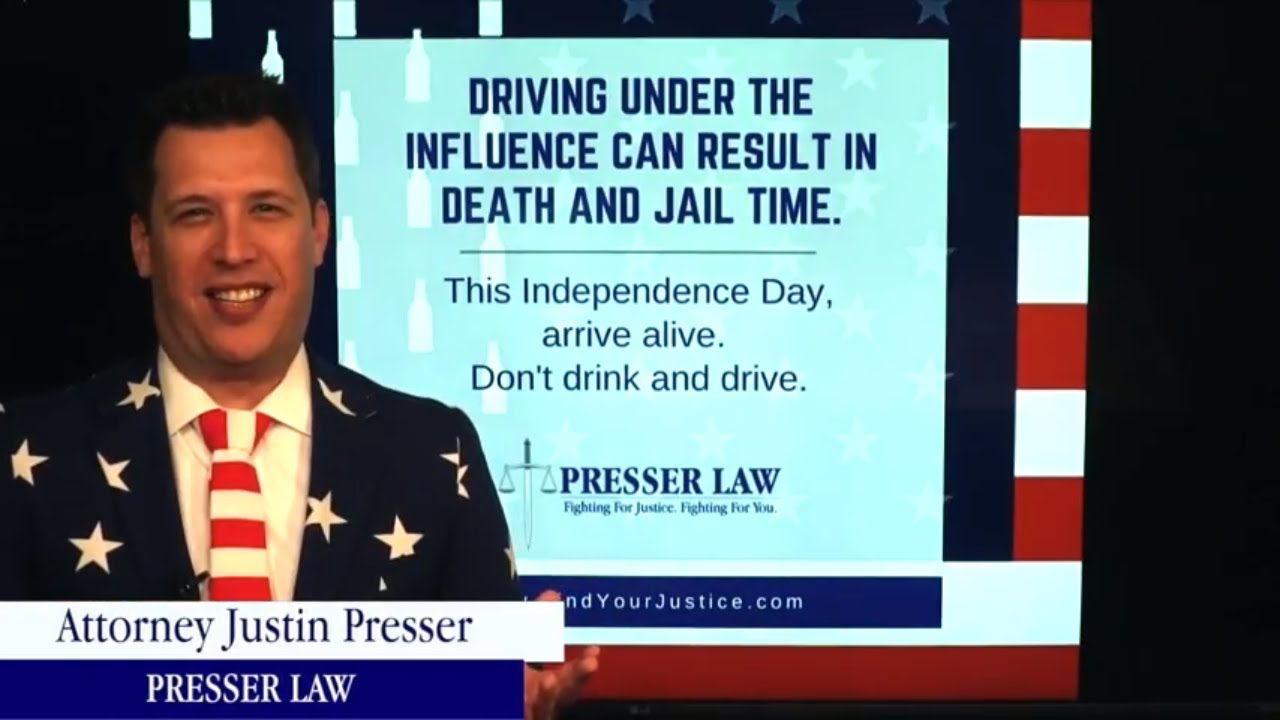
Impaired driving includes of course operating a vehicle under the influence of drugs or alcohol. It can also include the operation of a vehicle when impaired due to a lack of sleep or when experiencing fatigue. Whereas a distracted driver may not see a situation develop in front of them, an impaired driver may actually know there is an emergency developing and simply not have the ability to respond in a timely manner due to impaired judgment and response time.
Real Life Example: A firm represented an individual injured when they were hit by a drunk driver. During negotiations, the firm discovered that six months after the accident, the driver was once again charged with a DUI while driving a vehicle. This information was critical in generating a full policy offer from the at fault driver’s insurance company reflective of punitive damages.
Speeding
It should not come as a surprise that accidents involving speeding often result in fatalities. Even an otherwise excellent driver who is fully alert and paying attention can lose control of a vehicle when operating it at excessive speeds. Generally speaking, most states categorize speeding as reckless driving when the speed of the vehicle exceeds the posted speed limit by a certain amount of MPH. This is important when later litigating a personal injury claim alleging reckless driving or attributing fault due to excessive speed.
Real Life Example: A firm represented a client injured as a passenger in a speeding vehicle. Evidence that the client repeatedly asked the driver to slow down before the accident, combined with the fact that the accident occurred when rounding a curve in the road at an excessive speed, dramatically influenced their ability to successfully settle the case.
Punitive Damages
Many states have codified certain types of driving and categorized them as eligible for punitive damages. While the most common are impaired or intoxicated driving, some states have also added ‘speeding’ or ‘reckless driving’ to the category of situations which give rise to punitive damages in a personal injury claim. A personal injury lawyer can help you understand how punitive damages apply in car accident cases.



![[SIMPLE AND EASY] Reason Why You Need to Document the Injury Scene | Personal Injury Attorney](https://www.findyourjustice.com/wp-content/uploads/2025/10/SIMPLE-AND-EASY-Reason-Why-You-Need-to-Document-the-Injury-Scene-Personal-Injury-Attorney.jpg)