
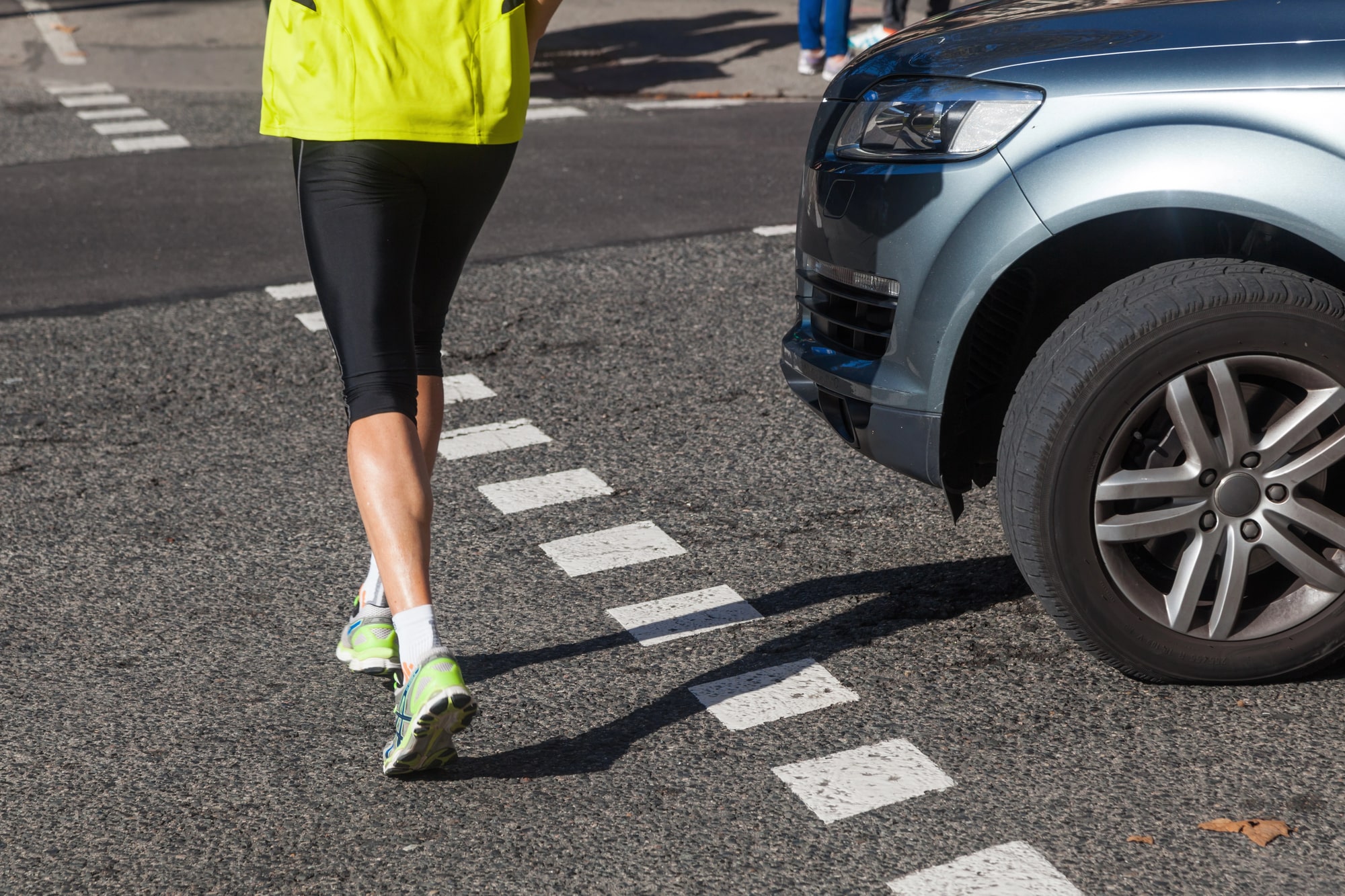
Pedestrian accidents can be terrifying and life-changing. With no protection from impact, pedestrians often suffer severe injuries even in low-speed collisions. Knowing what steps to take immediately after being struck can protect your health, your safety, and your rights.
Below, our friends at Ganderton Law, LLC explain what pedestrians should do in the immediate aftermath of an accident and how they can pursue recovery to the fullest extent possible.
1. Move Out of Danger, If Possible
The first priority is safety. If you are able to move, get out of the roadway to avoid secondary impacts. Ask someone nearby for help if you cannot move on your own.
2. Call 911 Right Away
Emergency responders provide critical assistance. Calling 911 ensures:
- Police document the incident
- EMTs check for life-threatening injuries
- You receive transportation to a hospital if needed
Even if injuries are not immediately obvious, calling 911 is essential.
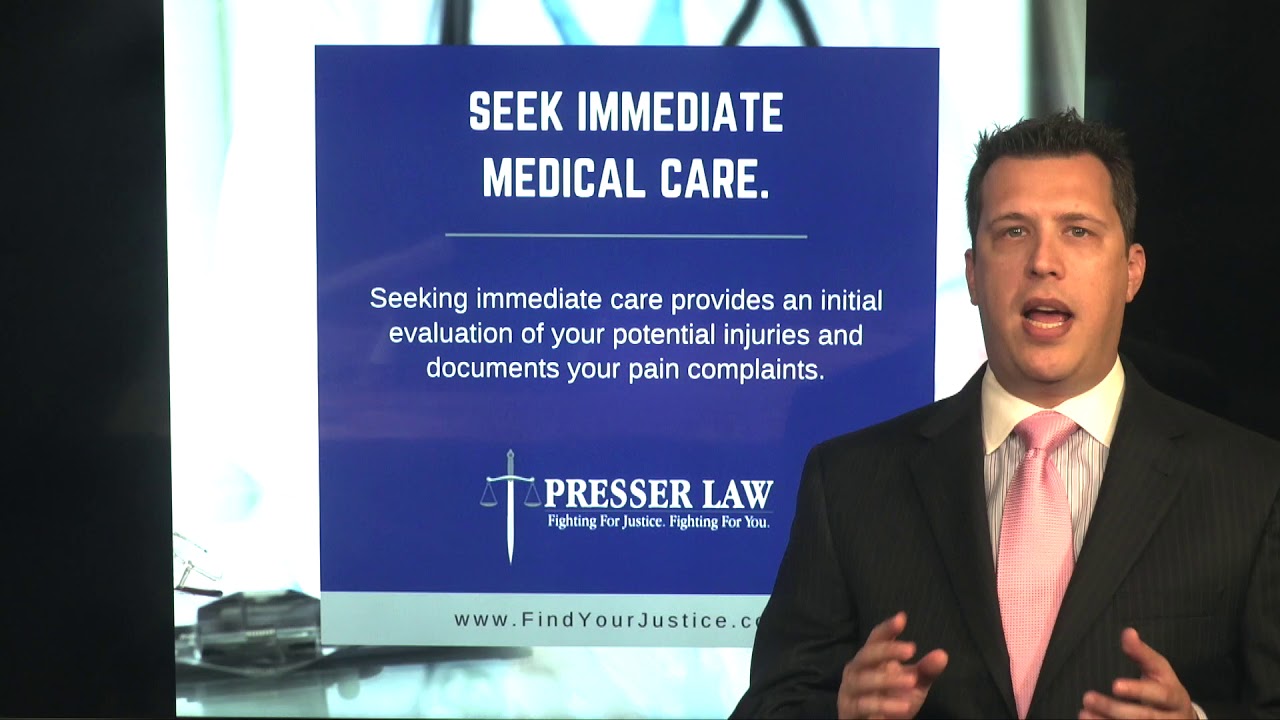
3. Seek Medical Attention Immediately
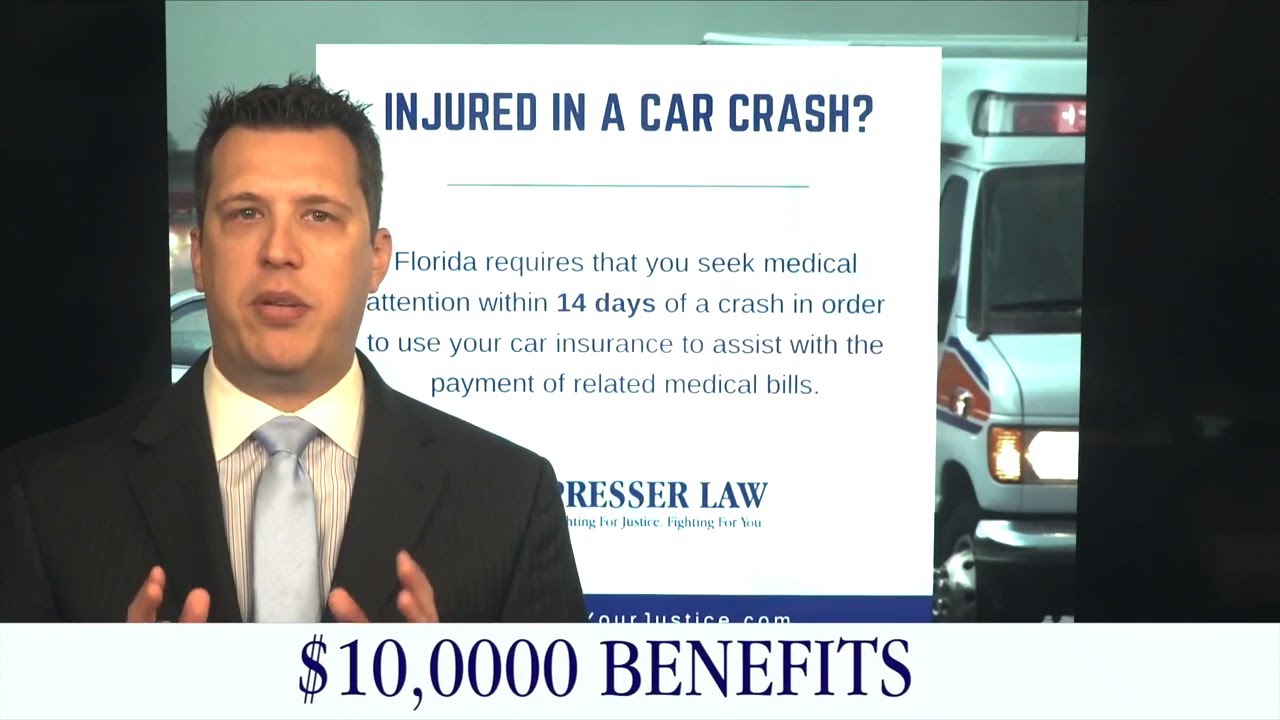
Many pedestrian injuries are not visible at first. Internal bleeding, concussions, fractures, and ligament damage can develop or worsen hours after the incident.
Medical evaluation helps:
- Diagnose hidden injuries
- Establish documentation
- Start early treatment
- Protect long-term health
Follow all medical recommendations and attend all follow-up appointments.
4. Gather Information if You’re Able
If your condition allows, collect:
- The driver’s name, contact information, and insurance
- License plate number
- Vehicle make and model
- Contact information for witnesses
- Photos of the scene, crosswalk, traffic signals, and injuries
If you cannot gather information yourself, ask a bystander to assist.
5. Note Environmental and Traffic Details
Small details can matter later, such as:
- Whether you were in a crosswalk
- The status of traffic or pedestrian signals
- Weather or lighting conditions
- Any obstructions that limited visibility
Write down your recollection as soon as possible.
6. Avoid Discussing Fault
Shock and confusion can cause people to say things that may later be misinterpreted, such as:
- “I’m okay”
- “It was my fault”
- “I didn’t see the car”
Stick to basic facts when speaking with police or witnesses.
7. Preserve Evidence
Keep:
- Medical records
- Bills
- Injury photos
- Damaged clothing or personal items
- A written log of your symptoms
This documentation helps demonstrate the full impact of the accident.
8. Follow Medical Care Through Recovery
Consistent treatment is important for healing. It also creates a clear timeline connecting the accident to your injuries, which matters for any future claims.
An experienced pedestrian accident lawyer knows that pedestrian accidents often leave victims dealing with both physical and emotional trauma. Taking the right steps afterward helps protect your well-being and ensures you have the support needed to move forward.

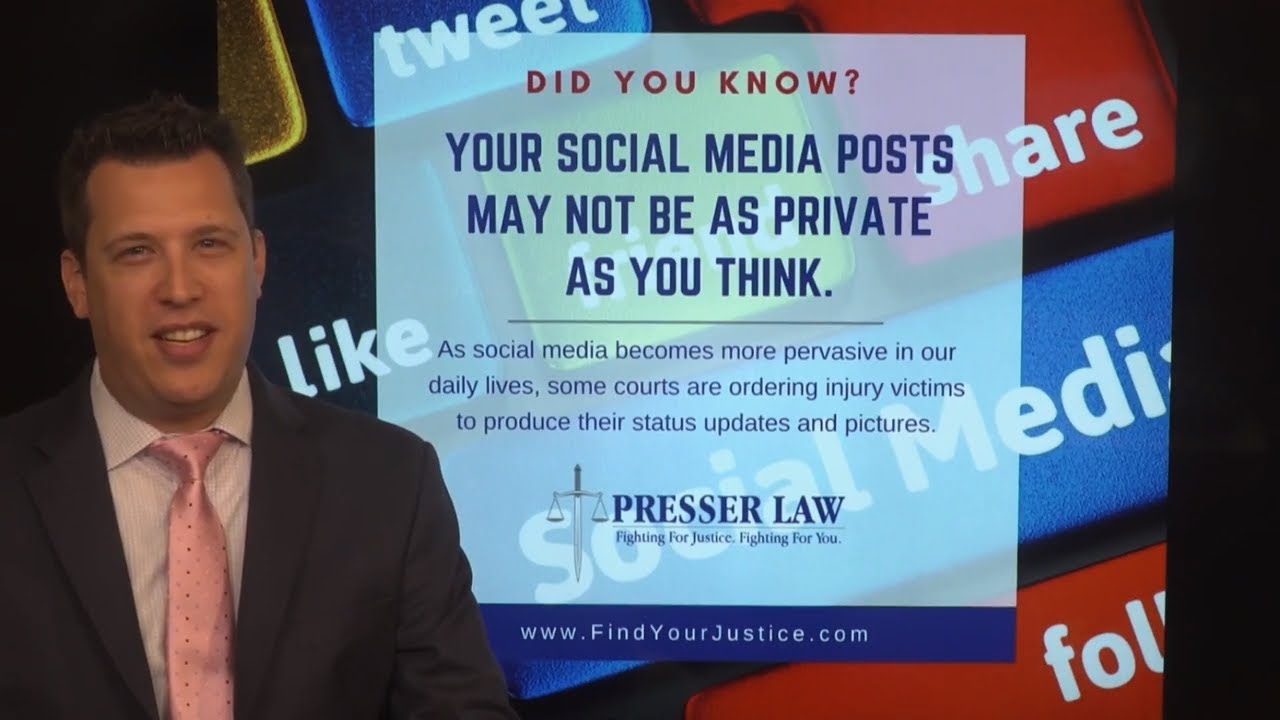
![[SIMPLE AND EASY] Reason Why You Need to Document the Injury Scene | Personal Injury Attorney](https://www.findyourjustice.com/wp-content/uploads/2025/10/SIMPLE-AND-EASY-Reason-Why-You-Need-to-Document-the-Injury-Scene-Personal-Injury-Attorney.jpg)