


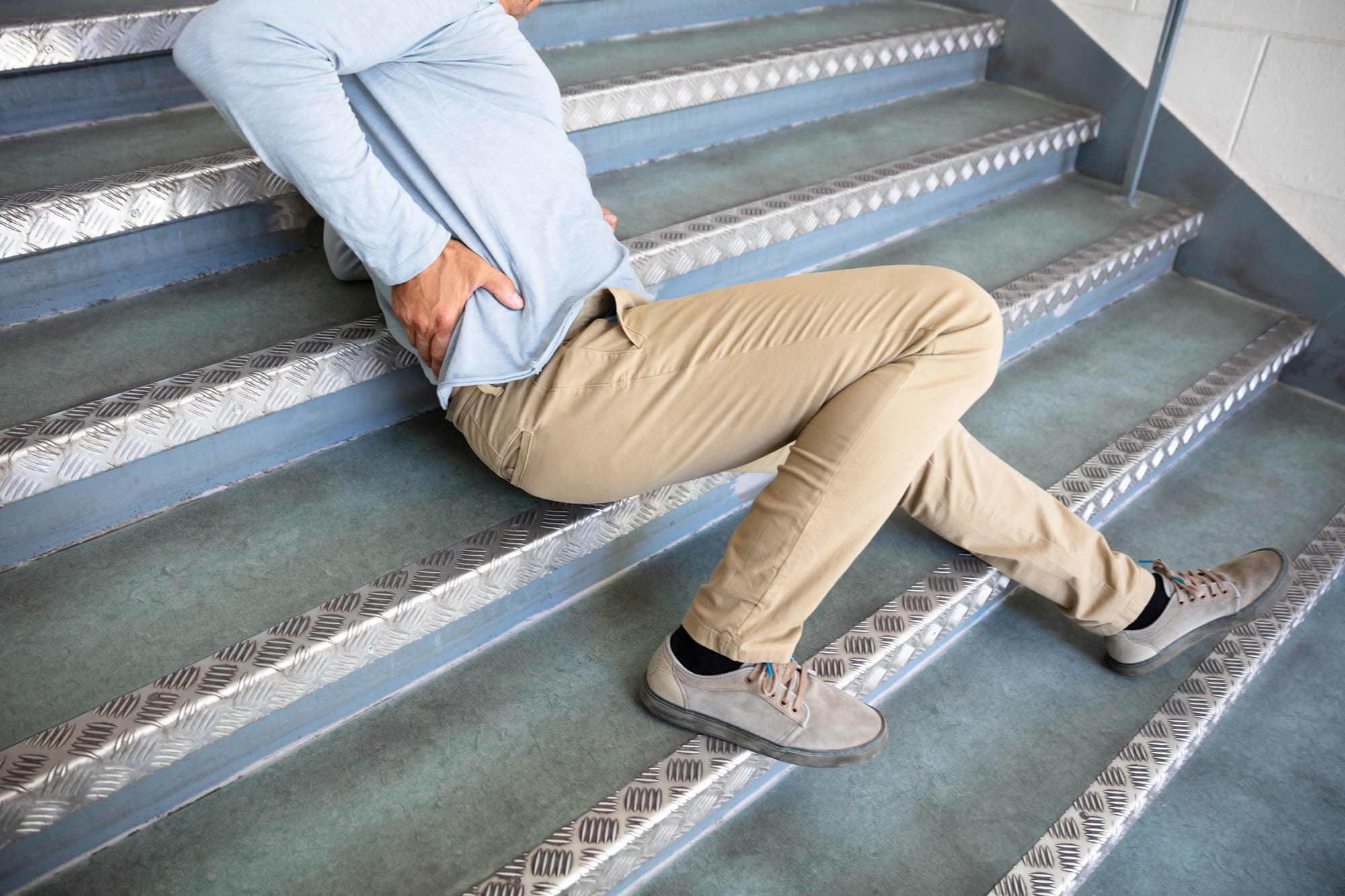
Slipping on a wet floor in a store feels like it should be a straightforward claim, but Florida law places a specific burden on the injured person that goes well beyond simply showing the spill existed. Understanding that burden shapes what evidence actually matters after a fall.
The Statute That Controls These Cases
Under Florida Statute 768.0755, a person who slips and falls on a transitory foreign substance in a business establishment must prove that the business had actual or constructive knowledge of the dangerous condition and should have taken action to fix it. A transitory foreign substance is something out of place, such as spilled liquid, dropped food, or debris that is not meant to be on the floor.
Actual Knowledge Is Rarely The Easy Path
Actual knowledge means an employee saw the hazard or was told about it before the fall happened. This is often the hardest category to prove directly, since most businesses do not have an employee openly admitting they noticed a spill and ignored it. Most slip and fall cases end up relying on the alternative path the statute provides instead.
Constructive Knowledge Through Length Of Time
The statute allows constructive knowledge to be shown through circumstantial evidence that the dangerous condition existed long enough that, using ordinary care, the business should have discovered it. Courts look at details like footprints through the substance, tracking marks, changes in the liquid’s consistency, or visible drying, since these details suggest a spill had been sitting for some time before the fall occurred.
Constructive Knowledge Through Recurring Conditions
A second path under the same statute allows constructive knowledge to be shown by proving the condition occurred with enough regularity that it was foreseeable. Presser Law, P.A. often finds this recurring condition theory holds up well in cases involving the same problem spot in a store over time. A produce section that regularly has debris on the floor, or an entryway that predictably gets wet during storms, can support this theory even without pinpointing how long a specific hazard was present before a particular fall.
Why Timing Evidence Matters So Much
Because the statute puts this burden squarely on the injured person, evidence establishing how long a hazard existed becomes central to the case. A puddle that formed moments before someone walked through it generally will not satisfy the constructive knowledge standard, even if the resulting fall and injury are identical to a case involving a spill that sat for an hour.
Evidence Worth Preserving After A Fall
Because this evidence tends to disappear quickly, acting fast after a fall matters:
- Photos of the substance itself, including any footprints, tracking marks, or visible drying
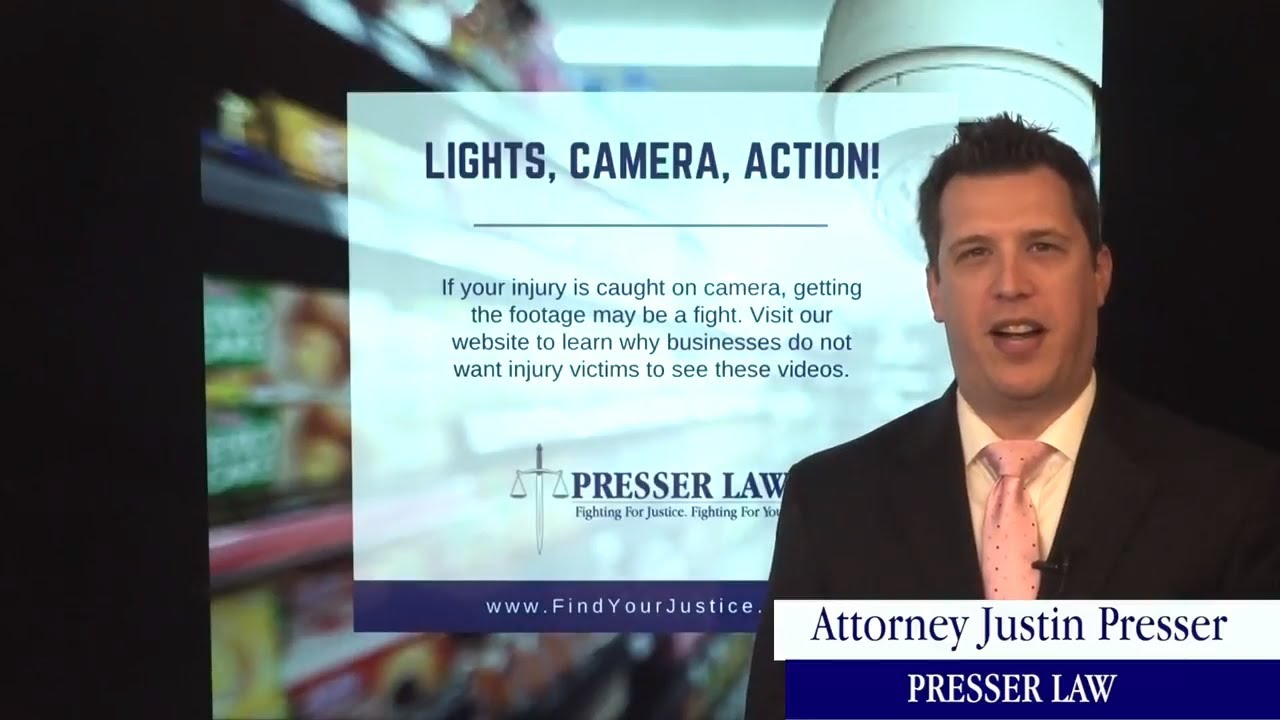
- A request for surveillance footage before it gets recorded over or deleted
- Names of any employees working nearby at the time of the fall
- Copies of any incident report completed by store staff
Building A Constructive Knowledge Case In Lake Mary
Because constructive knowledge often depends on details that are easy to overlook in the moment, such as the exact condition of the substance itself, a careful early investigation makes a real difference. A Lake Mary slip and fall lawyer can help identify and preserve this evidence before it is lost.
Requesting Surveillance Footage Before It Is Gone
Many businesses only retain surveillance footage for a short window before it gets overwritten automatically. A Lake Mary slip and fall lawyer can send a preservation request promptly so footage showing how long a hazard existed is not lost.
Florida’s constructive knowledge requirement means the same fall can produce very different outcomes depending on details that are easy to miss without a prompt investigation. If you were hurt in a fall at a business in Lake Mary, reach out to our office to go over what evidence from your case may still be available.


![[SIMPLE AND EASY] Reason Why You Need to Document the Injury Scene | Personal Injury Attorney](https://www.findyourjustice.com/wp-content/uploads/2025/10/SIMPLE-AND-EASY-Reason-Why-You-Need-to-Document-the-Injury-Scene-Personal-Injury-Attorney.jpg)