

What Does Full Coverage In Florida Mean?
Have you ever heard someone say that they are “fully insured” or have “full coverage” in regards to car insurance? If you have, chances are the person who said that is not actually “fully insured” at all.
In Florida, there are several types of different coverages available to drivers under their car insurance policies. These coverages include Bodily Injury, Property Damage, Uninsured Motorist and Personal Injury Protection. Each of these coverages insures something different. Examples include Bodily Injury Coverage and Uninsured Motorist Coverage. Bodily Injury Coverage insures an at-fault driver for injuries they cause to another person as a result of an accident. Uninsured Motorist Coverage insures accident injury victims and provides additional means of monetary recovery if at-fault driver did not have sufficient insurance coverage to fully compensate the injury victim for their injuries.
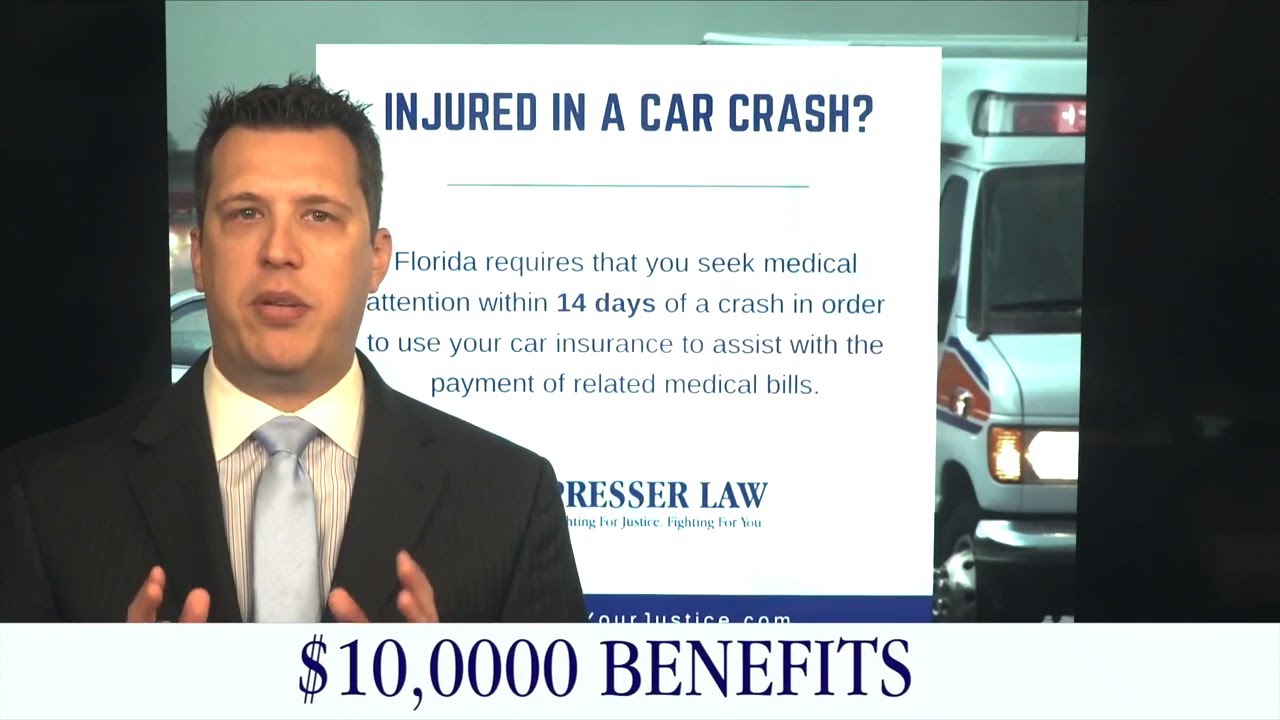
At this time, Florida only requires two types of insurance to operate a vehicle on Florida’s roadways, Personal Injury Protection Coverage and Property Damage Coverage. Personal Injury Protection Coverage helps partially pay for a car accident victim’s medical bills or lost wages while Property Damage Coverage compensates someone for the damage done to their property as a result of a car accident. Neither of these coverages compensates car accident victims for the physical injuries they received as a result of another driver’s negligence.
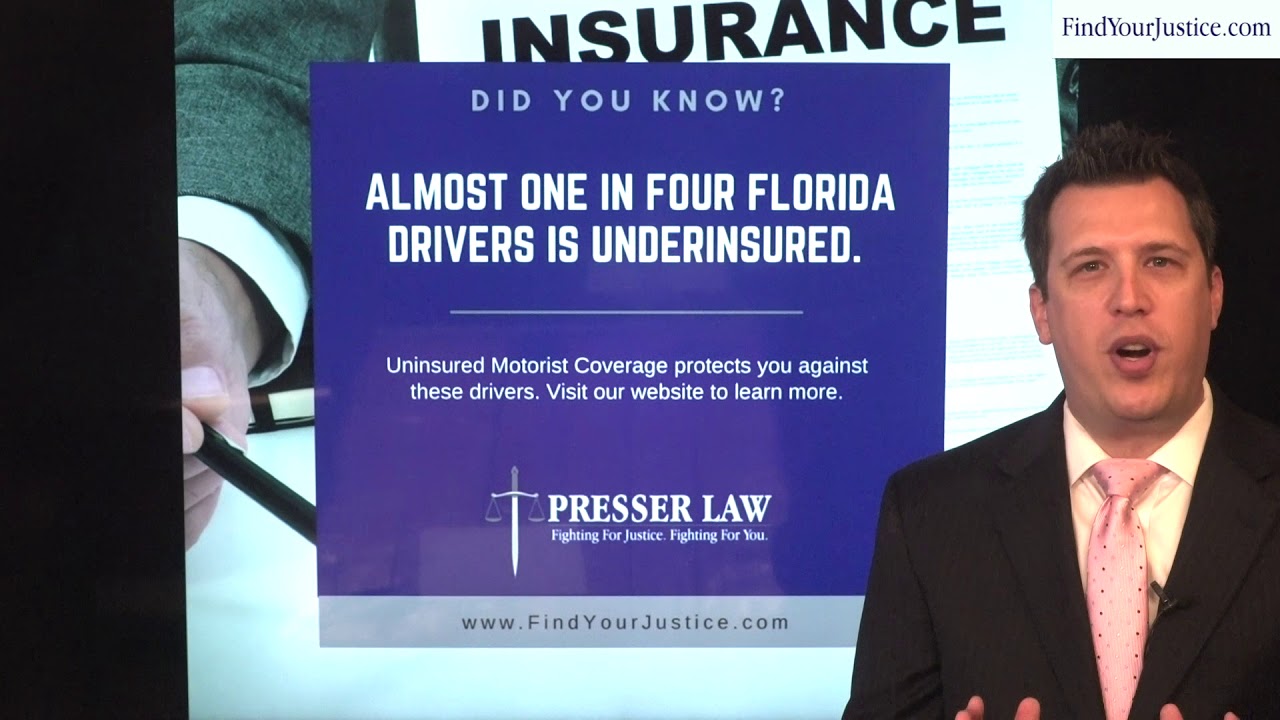
So that’s it – Personal injury protection and Property Damage insurance. That is all the insurance coverage Florida requires is required to lawfully operate a non-commercial or leased vehicle on Florida’s roadways. When someone says they are “fully insured” or have “full coverage” it often means that they carry only the state minimum insurance required to operate a motor vehicle and no insurance to compensate injury victims for their injuries. That is why it important you protect yourself and purchase uninsured motorist coverage.


![[SIMPLE AND EASY] Reason Why You Need to Document the Injury Scene | Personal Injury Attorney](https://www.findyourjustice.com/wp-content/uploads/2025/10/SIMPLE-AND-EASY-Reason-Why-You-Need-to-Document-the-Injury-Scene-Personal-Injury-Attorney.jpg)