
A Rule Change That Reshaped Every Claim
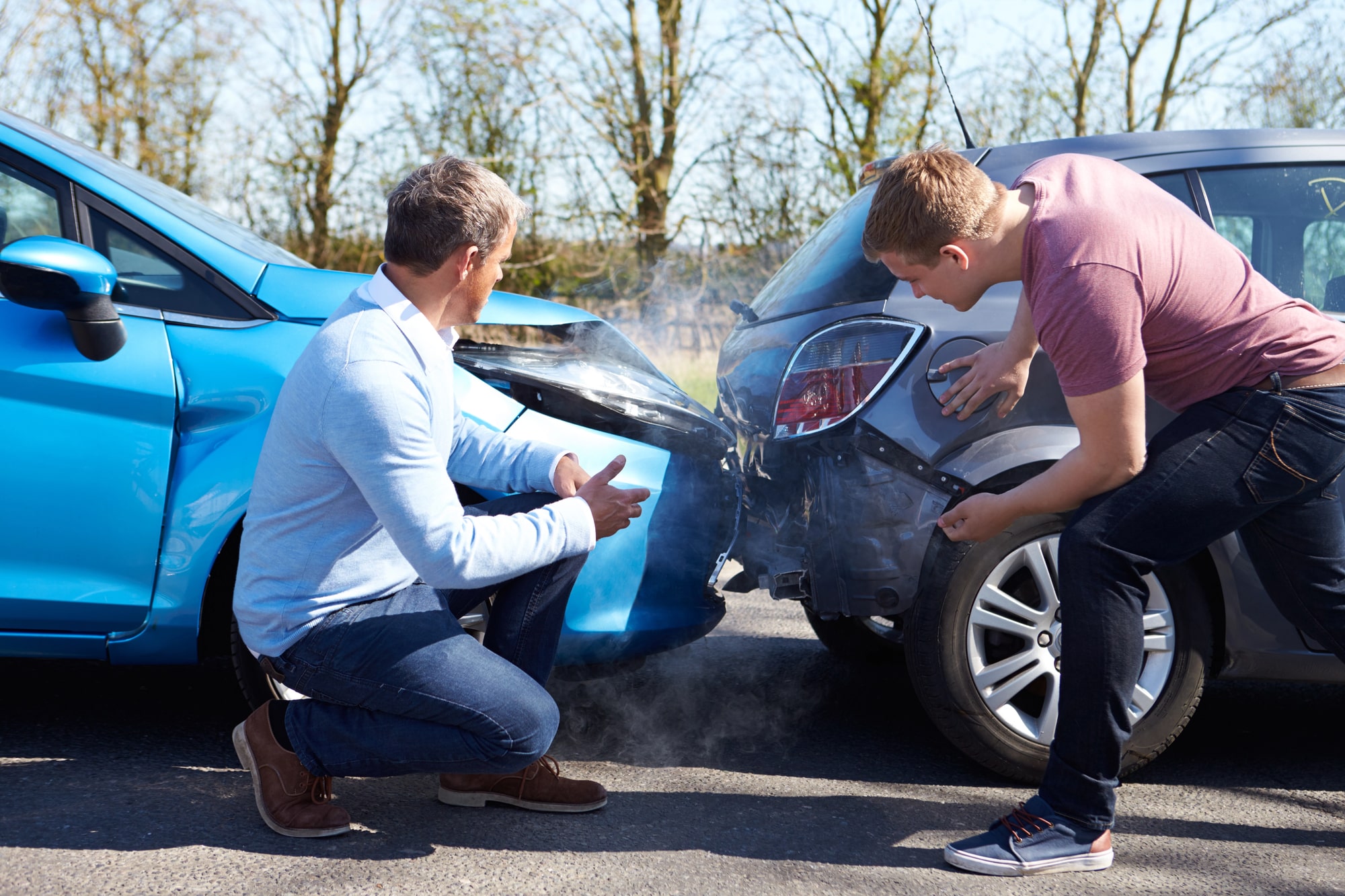
Florida car accident claims work differently than they did just a few years ago. A 2023 change to state law shifted how shared fault affects compensation, and understanding that shift matters for anyone pursuing a claim after a crash in DeLand today, even one that seems straightforward at first glance.
What Changed With HB 837
Before March 2023, Florida followed pure comparative negligence, meaning an injured driver could recover some compensation regardless of their own percentage of fault, even if they were mostly responsible for the crash. House Bill 837 replaced that system with a modified comparative negligence rule under Florida Statute § 768.81. Under the current law, a driver found more than fifty percent at fault for their own injuries cannot recover any damages at all.
- Fifty percent or less at fault: recovery reduced by that percentage
- More than fifty percent at fault: recovery barred entirely
- The rule applies to actions filed on or after March 24, 2023
- The statute of limitations for negligence claims was also shortened to two years
Why One Percentage Point Matters So Much
Under the old system, a driver found sixty percent at fault could still recover forty percent of their damages. Under the current rule, that same driver recovers nothing. The difference between forty nine percent and fifty one percent fault is not a matter of degree anymore, it is the difference between a meaningful settlement and no recovery whatsoever.
This all-or-nothing structure changes how negotiations actually unfold. An insurer no longer needs to argue for a slightly higher fault percentage to reduce a payout incrementally; instead, pushing the number past fifty percent eliminates the claim entirely, which raises the stakes of every fault argument considerably compared to the old system.
Why Insurers Push Hard on Fault Percentages
Because crossing the fifty percent line eliminates a claim entirely, insurance adjusters have a strong incentive to push fault percentages toward that threshold whenever shared responsibility is even plausible. A driver who was going slightly over the speed limit, or who hesitated a moment too long at an intersection, may find an adjuster arguing for a fault percentage specifically calibrated to defeat the claim rather than simply reduce it.
What Evidence Matters Most Under This Rule
Given how much is riding on the fault percentage itself, evidence that clearly establishes what happened carries more weight than ever. Dashcam footage, traffic camera recordings, witness statements gathered close to the time of the crash, and a detailed police report all help establish an accurate account before an insurer has the chance to frame a narrative that pushes fault higher than it should be.
How This Plays Out in DeLand Specifically
Crashes along Woodland Boulevard and the intersections near Interstate 4 often involve multiple contributing factors, from following distance to right of way disputes, that make fault genuinely difficult to assign with precision. A DeLand car accident lawyer investigating a crash in this area works to build a clear account of what happened before an insurer’s initial fault assessment becomes the anchor point for the rest of the negotiation.
Acting Quickly Under the Shortened Deadline
Alongside the comparative negligence change, HB 837 also cut Florida’s general negligence statute of limitations from four years to two. A DeLand car accident lawyer evaluating a new case has to account for both the shortened filing deadline and the fault threshold, since gathering strong fault evidence now needs to happen well within that tighter window.
Building a Claim That Accounts for Both Changes
Justin Presser has represented Central Florida accident victims for over a decade, and that experience now includes building cases around Florida’s tightened comparative negligence standard. Presser Law, P.A. works to establish a clear fault picture early, since a favorable fault percentage often determines whether a claim succeeds at all under the current law rather than simply how much it is ultimately worth.



![[SIMPLE AND EASY] Reason Why You Need to Document the Injury Scene | Personal Injury Attorney](https://www.findyourjustice.com/wp-content/uploads/2025/10/SIMPLE-AND-EASY-Reason-Why-You-Need-to-Document-the-Injury-Scene-Personal-Injury-Attorney.jpg)