



What Counts as a Personal Injury Claim?
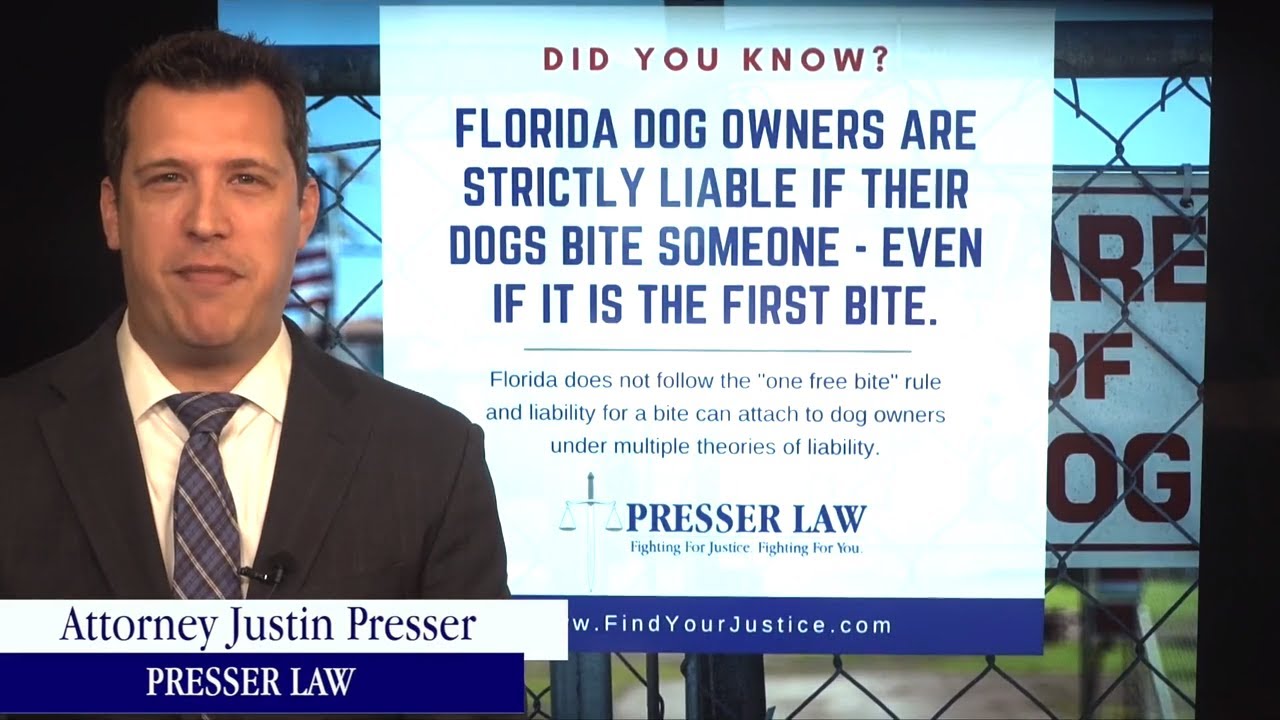
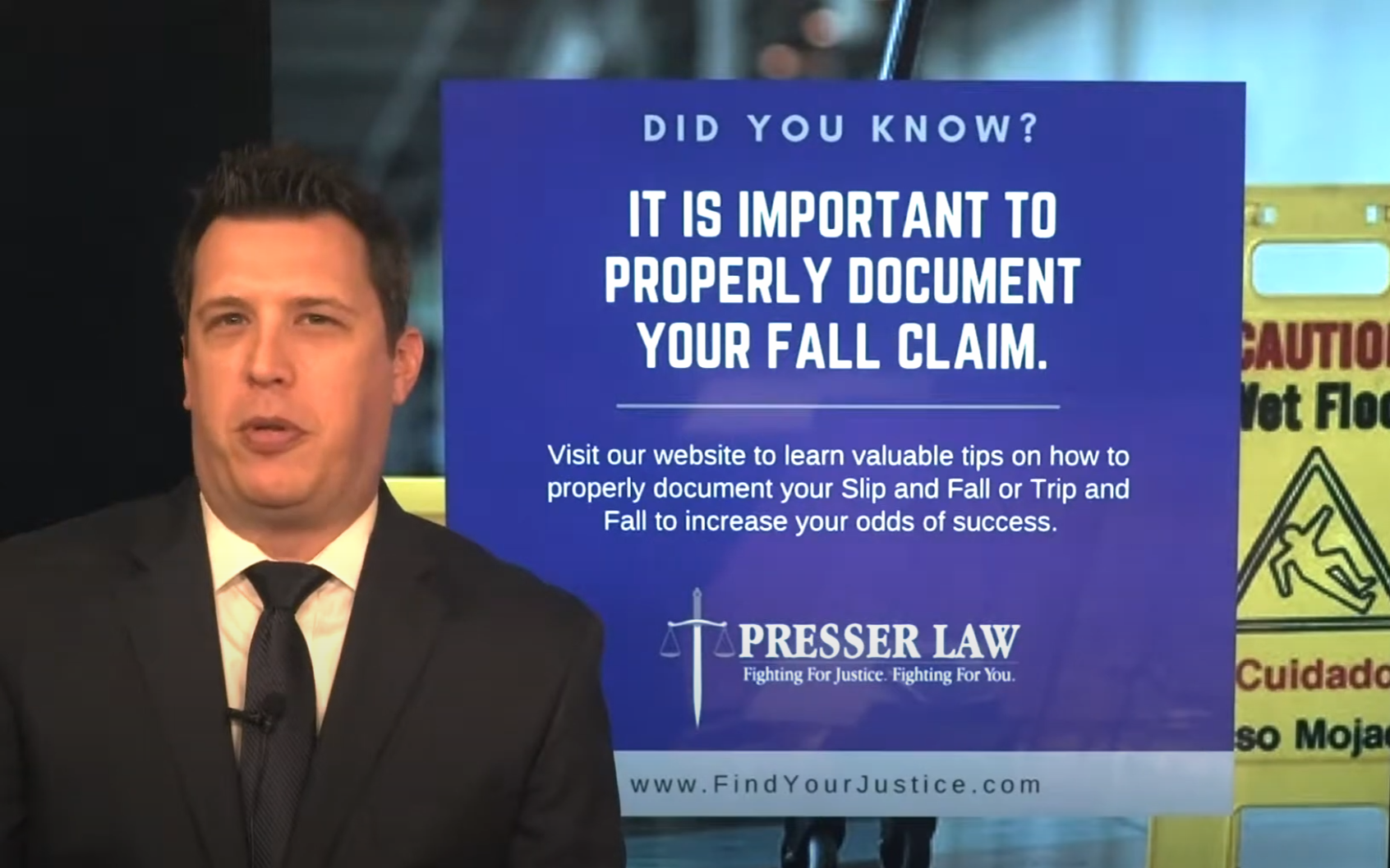
Personal injury covers any situation where someone else’s negligence caused you harm, well beyond car accidents alone. Slip and falls, dog bites, defective products, and injuries on someone else’s property can all support a claim if the other party failed to exercise reasonable care and that failure directly caused your injury.
What Do I Actually Need to Prove?
A successful claim generally requires four elements: the other party owed you a duty of care, they breached that duty, the breach caused your injury, and you suffered actual damages as a result. Missing any one of these elements can weaken an otherwise sympathetic case, which is why gathering evidence connecting each piece matters as much as documenting the injury itself.
These elements sound straightforward, but proving each one can get complicated depending on the situation. A property owner’s duty of care, for instance, can vary depending on whether you were a customer, a guest, or someone with no legitimate reason to be on the property at all, and that distinction shapes what standard actually applies.
- Duty: the other party owed you some standard of care
- Breach: they failed to meet that standard
- Causation: their failure actually caused your injury
- Damages: you suffered real, documented harm
Does Florida’s Comparative Negligence Rule Apply Here Too?
Yes. Florida’s modified comparative negligence rule, which bars recovery for anyone found more than fifty percent at fault, applies broadly across personal injury claims, not just car accidents. A slip and fall case, a premises liability claim, or a product defect case can all be affected if you share some responsibility for what actually happened.
How Long Do I Have to File?
Florida’s general statute of limitations for negligence claims is two years from the date of injury, following a 2023 change that shortened the previous four year window. Certain claim types carry different deadlines, so confirming the specific timeline for your situation matters before assuming a general rule applies.
What Kinds of Compensation Are Available?
Damages typically fall into two categories: economic damages, covering medical bills, lost wages, and property damage, and non-economic damages, covering pain, suffering, and reduced quality of life. The available categories can vary depending on the type of claim and whether any statutory caps or thresholds apply to that specific situation.
Calculating economic damages tends to be more straightforward, since medical bills and pay stubs provide concrete numbers. Non-economic damages require a different kind of evidence entirely, often relying on how the injury actually changed daily life, work capacity, and relationships, which is why documenting these impacts matters just as much as documenting the medical treatment itself.
What Should I Do Right After an Injury?
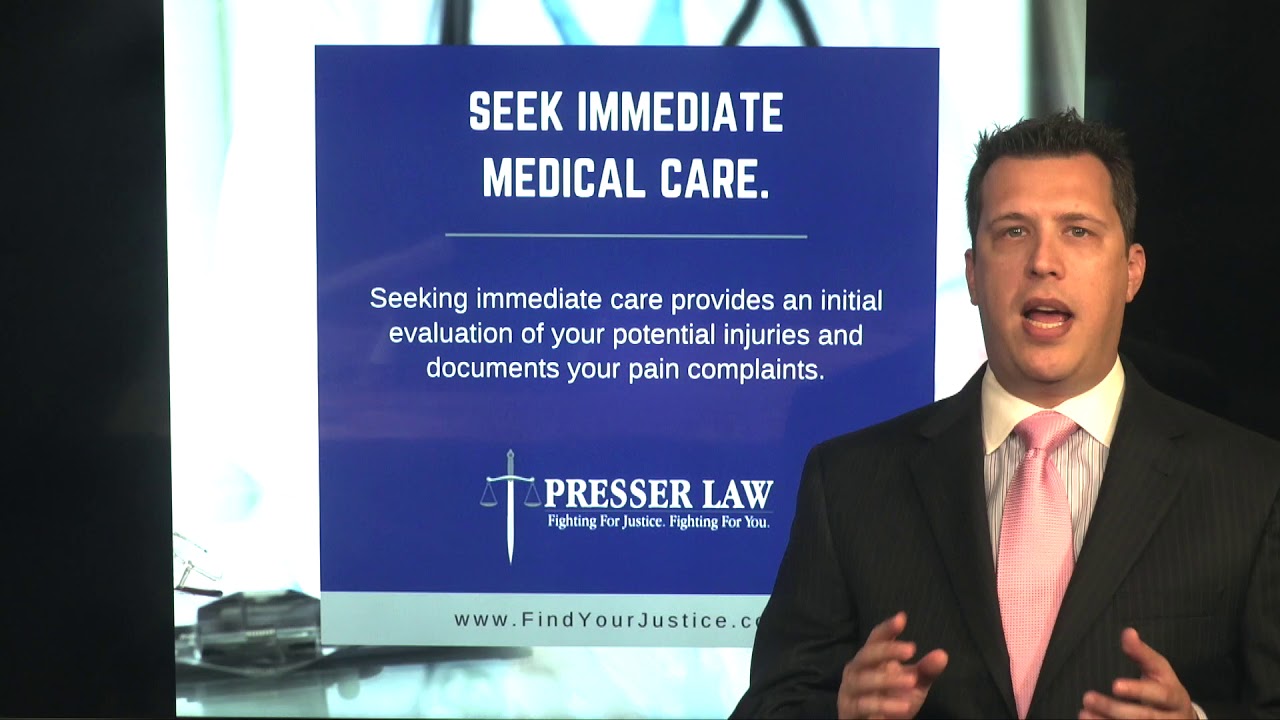
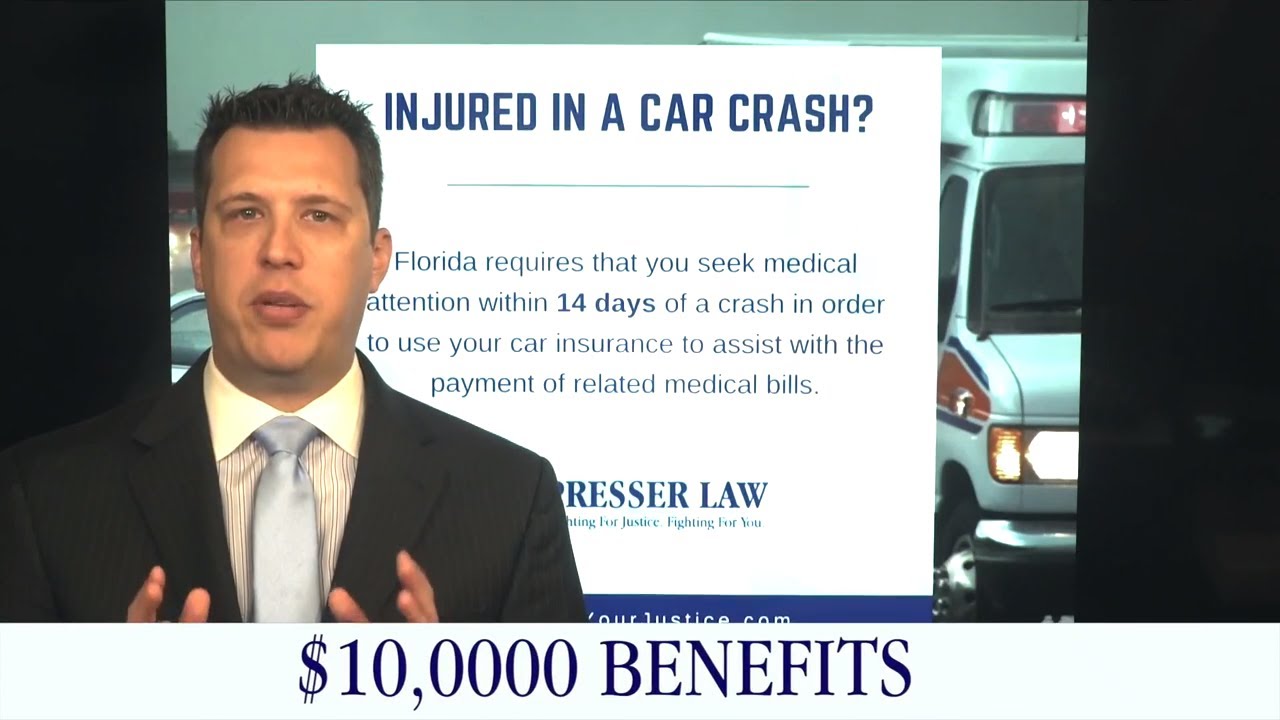
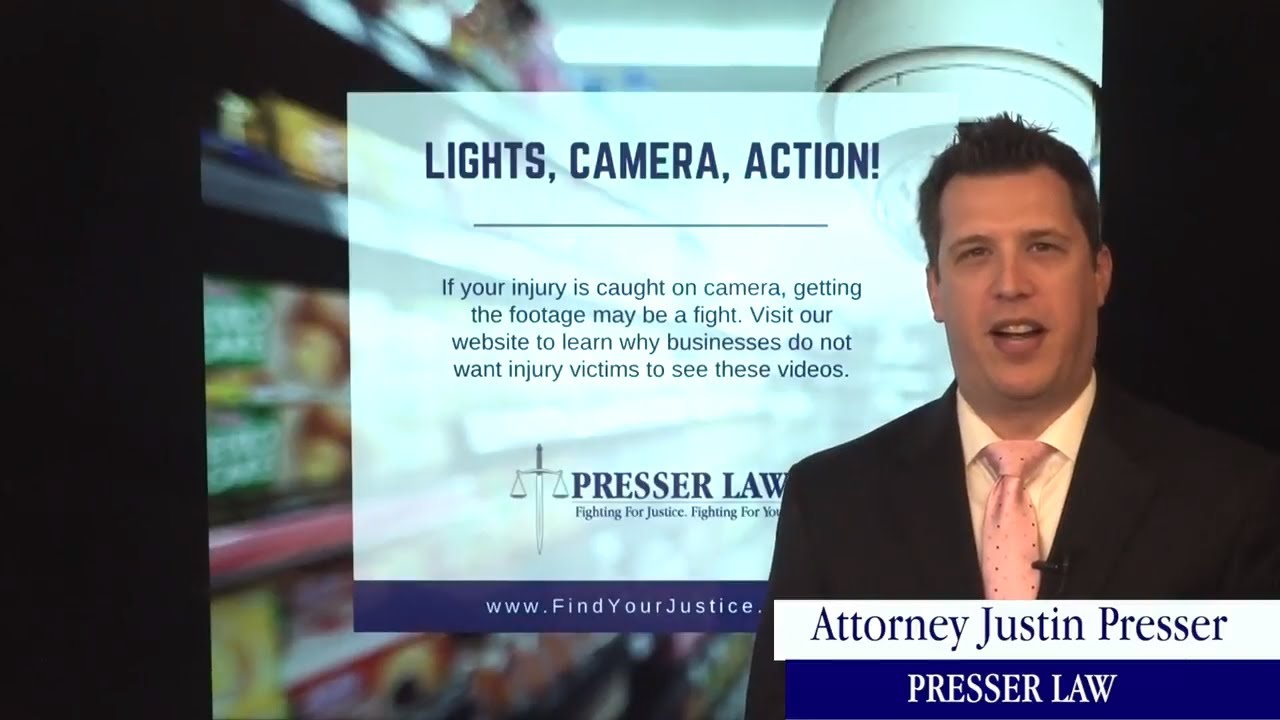
Seeking prompt medical attention creates a documented record connecting your injury to the incident, which matters considerably later if the claim is disputed. Photographing the scene, gathering witness information, and reporting the incident to the relevant property owner or business all help preserve evidence that can disappear or become harder to obtain over time.
Does It Matter Whether I File a Claim or a Lawsuit First?
Most personal injury claims start with a demand to the responsible party’s insurance company rather than an immediate lawsuit. An Apopka personal injury lawyer handling a new case typically pursues negotiation first, since many claims resolve without ever needing to file suit, though litigation remains available when negotiation does not produce a fair outcome for the injured party.
A demand letter typically lays out the facts of the incident, the applicable legal theory, and the compensation being sought, giving the insurer a chance to respond before any court filing becomes necessary. This step alone resolves a significant share of personal injury claims, particularly when liability is reasonably clear and the medical documentation supports the damages being claimed.
How Does a Lawyer Actually Help With This Process?
An Apopka personal injury lawyer evaluating a case identifies which legal theory fits the facts, gathers supporting evidence, and handles communication with insurance adjusters who are ultimately focused on minimizing what they pay out on any given claim.
Who Represents Injury Victims in This Area?
Presser Law, P.A. represents injury victims across Central Florida on a contingency basis, meaning fees depend on the outcome of the case.