


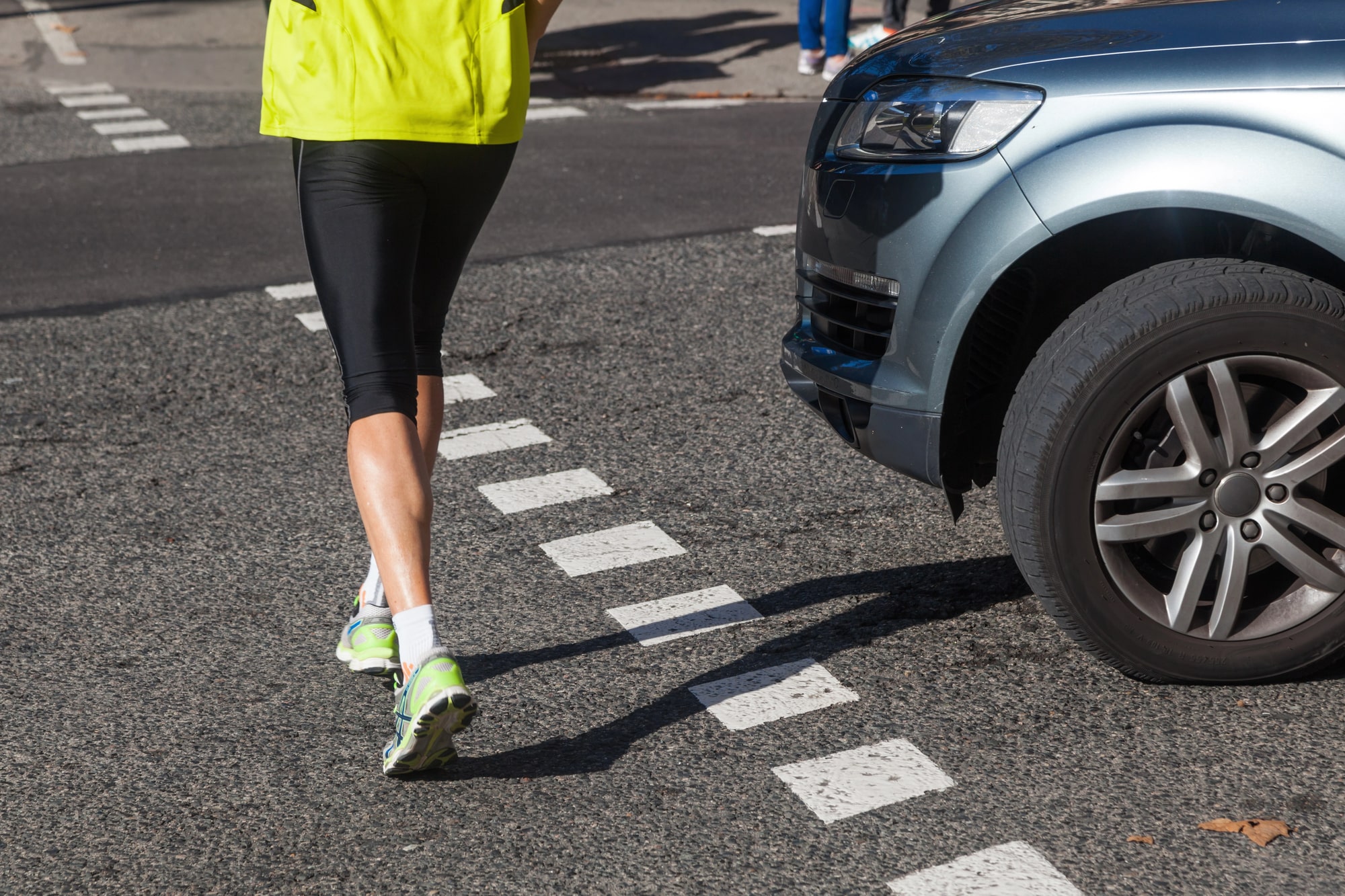
Florida’s modified comparative fault rule applies to every personal injury case in the state, including pedestrian accidents in Winter Garden. For pedestrians injured by negligent drivers, understanding how fault is divided and what the 51 percent threshold means for their recovery is essential before engaging with insurance companies or accepting any offer of compensation.
How Florida’s Modified Comparative Fault Rule Applies to Pedestrians
Under Florida’s modified comparative fault standard, an injured pedestrian who is found to be 50 percent or less responsible for the accident can recover damages, reduced by their percentage of fault. A pedestrian found 25 percent at fault recovers 75 percent of their total damages. A pedestrian found 51 percent or more at fault is barred from any recovery regardless of how seriously they were injured or how clear the driver’s negligence may be.
Pedestrian accident cases are particularly susceptible to comparative fault arguments because defendants and their insurers routinely argue that the pedestrian was crossing outside a crosswalk, was not paying attention, was wearing dark clothing at night, or entered the roadway without adequate warning. These arguments, even when only partially successful, can significantly reduce the compensation a pedestrian recovers.
Why the 51 Percent Bar Creates Risk in Pedestrian Cases
In pedestrian accident cases where visibility, lighting, or the pedestrian’s location in the roadway are contested, the 51 percent bar creates genuine exposure. An insurer that can persuade an adjuster, mediator, or jury that the pedestrian bore majority responsibility for the accident eliminates the claim entirely. This is why the evidence documenting the driver’s conduct, the pedestrian’s location, and the circumstances of the crash must be built carefully from the start.
How Fault Is Established and Contested in Winter Garden Pedestrian Cases
A Winter Garden pedestrian accident lawyer handles cases where the fault analysis begins with gathering every available piece of evidence before it disappears. The most important evidence types include:
- Traffic and surveillance camera footage from the intersection or roadway where the accident occurred
- Witness statements from bystanders who observed the crash
- Physical evidence at the scene including skid marks, debris fields, and impact points
- The responding officer’s report and any citations issued to the driver at the scene
- Lighting and visibility conditions at the time and location of the accident
- The driver’s phone records or dashcam data in cases where distraction is a factor
How Florida Law Protects Pedestrians in Certain Situations
Florida law creates specific duties for drivers in relation to pedestrians, including requirements to yield in marked and unmarked crosswalks, to exercise due care to avoid collisions regardless of the pedestrian’s location, and to give audible warning when necessary to alert pedestrians of their approach. When a driver’s violation of these duties caused or contributed to the accident, that violation supports the liability case and can reduce or eliminate any comparative fault assigned to the pedestrian.
Presser Law, P.A. is a Central Florida personal injury firm representing pedestrian accident victims throughout the Winter Garden area, including cases where comparative fault arguments are a primary focus of the defense.
Protecting Your Recovery After a Winter Garden Pedestrian Accident
If you were injured as a pedestrian in Winter Garden, speaking with a Winter Garden pedestrian accident lawyer about the fault evidence in your case is the most effective first step toward protecting your recovery under Florida law.

![[SIMPLE AND EASY] Reason Why You Need to Document the Injury Scene | Personal Injury Attorney](https://www.findyourjustice.com/wp-content/uploads/2025/10/SIMPLE-AND-EASY-Reason-Why-You-Need-to-Document-the-Injury-Scene-Personal-Injury-Attorney.jpg)