



Why Can’t I Just Sue the Other Driver Directly?
Florida is a no-fault insurance state, which means your own Personal Injury Protection coverage generally pays your initial medical bills and lost wages regardless of who caused the crash. Suing the at-fault driver directly for pain and suffering is only available once your injury meets a specific legal threshold defined under state law.
What Does PIP Actually Cover?
PIP coverage generally pays eighty percent of reasonable medical expenses and sixty percent of lost wages, up to your policy limits. Florida law requires at least $10,000 in PIP coverage. To access the full amount rather than a reduced cap, your injury generally needs to be classified as an emergency medical condition by a qualified provider.
That emergency medical condition classification matters more than most people realize. Without it, PIP benefits can be capped at a much lower amount, sometimes as little as $2,500, which leaves a significant gap between what treatment actually costs and what the initial coverage provides.
- PIP covers 80% of medical expenses up to policy limits
- PIP covers 60% of lost wages up to policy limits
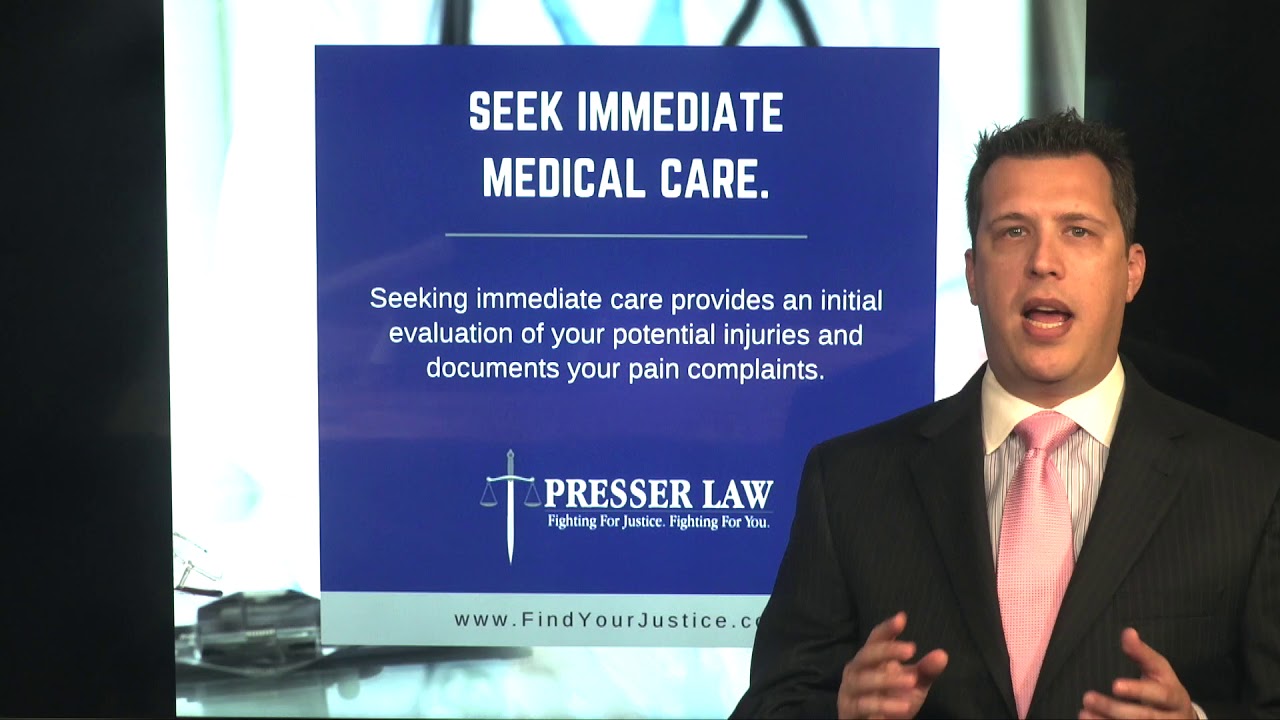
- Initial treatment must generally begin within 14 days of the crash
- Minimum required PIP coverage is $10,000 per Florida law
What Is the Serious Injury Threshold?
Under Florida Statute § 627.737, you can only pursue a claim against the at-fault driver for pain and suffering if your injury falls into one of four categories: significant and permanent loss of an important bodily function, permanent injury within a reasonable degree of medical probability, significant and permanent scarring or disfigurement, or death. Meeting one of these categories is required before non-economic damages become available at all.
How Do I Know if My Injury Qualifies?
This determination usually requires medical documentation establishing permanency, not just a description of pain or discomfort. A soft tissue injury that fully resolves within a few months typically does not meet the threshold, while the same type of injury that results in lasting limitation might. An Apopka car accident lawyer evaluating a potential claim usually reviews medical records closely to determine whether the documentation actually supports one of the four statutory categories.
Courts have generally left the specific meaning of these categories somewhat open, since the same type of injury may be more or less serious depending on the individual. This means the threshold question often comes down to how well a treating physician documents the specific impact on that particular patient’s life, rather than the general diagnosis alone.
Does Partial Fault Affect My Claim?
Yes. Florida follows a modified comparative negligence rule, meaning you can recover damages as long as you are fifty percent or less at fault for the crash. If you are found more than fifty percent responsible, you cannot recover damages against the other driver at all, regardless of how the PIP threshold question is resolved.
How Long Do I Have to File a Claim?
Florida’s statute of limitations for negligence claims, including most car accident cases, is two years from the date of the crash. This deadline was shortened from four years as part of a 2023 change to Florida law, so acting sooner rather than later matters more than it used to.
What If My Injury Doesn’t Meet the Threshold?
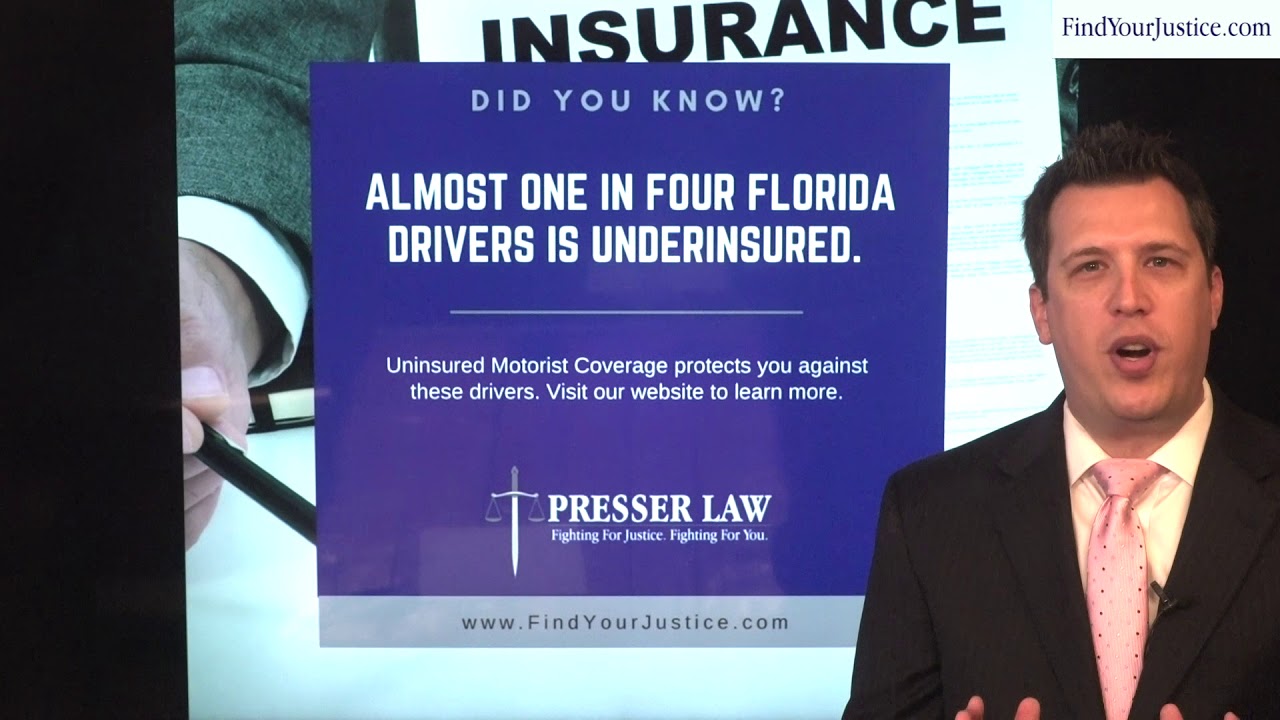
If an injury does not meet the serious injury threshold, recovery is generally limited to what PIP coverage provides, along with any applicable underinsured or uninsured motorist coverage that may apply. An Apopka car accident lawyer reviewing a claim early can help identify whether additional coverage options exist even when the threshold itself is not met.
Who Can Help Sort Through These Questions?
Presser Law, P.A. has represented Central Florida crash victims for over a decade, evaluating both the threshold question and the fault percentage question before recommending a path forward for a specific claim, since either issue on its own can determine what a case is ultimately worth.